
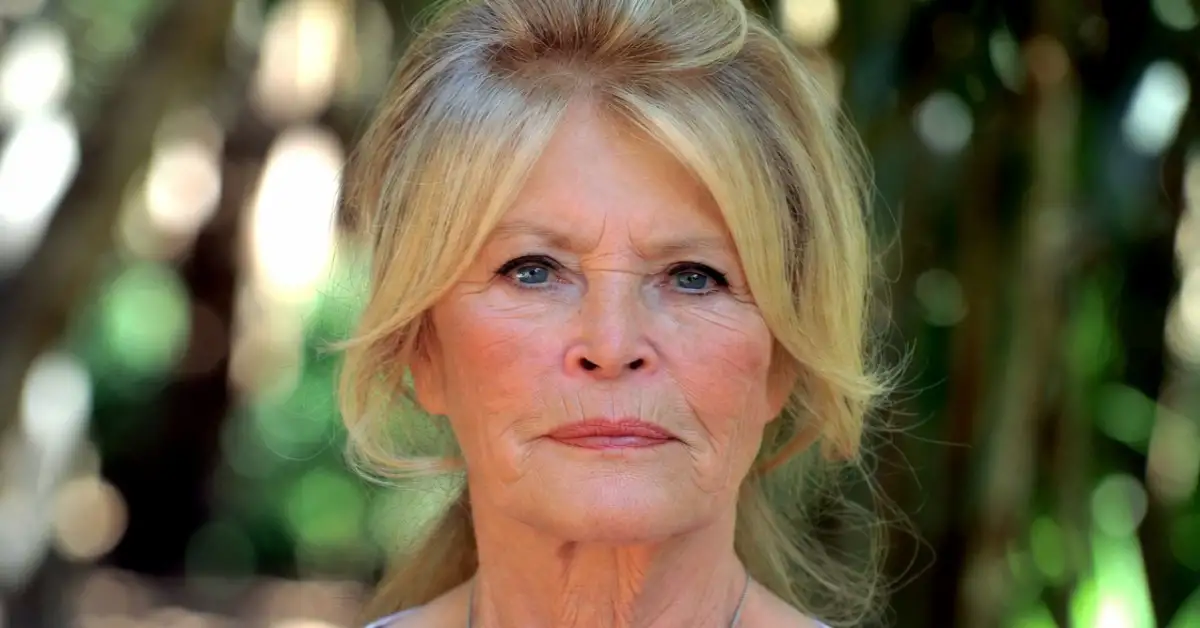
Brigitte Bardot didn’t just redefine beauty — she reshaped female freedom in cinema, from desire to choice, on her own terms.
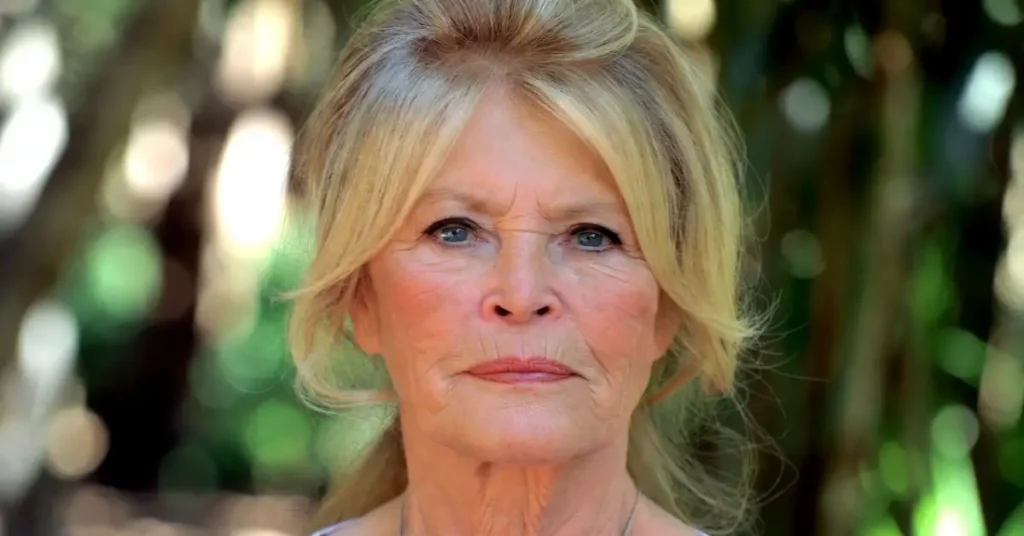
Brigitte Bardot has often been remembered for her looks first.
Blonde hair, bare feet, that famous pout. For decades, she was reduced to headlines, posters, and labels that made her seem more like a symbol than a serious artist. But looking back now, especially after her death at 91, it’s clear that Bardot’s real impact had much less to do with how she looked — and everything to do with what she represented.
Instead of focusing on Bardot as an object of desire, it’s worth seeing her as a turning point. She arrived at a moment when women on screen were still expected to fit neat categories: the good girl, the tragic lover, the dangerous femme fatale. Bardot didn’t fit any of those boxes. She played women who acted on instinct, followed their feelings, and didn’t explain themselves — especially not to men.
Her breakout film, And God Created Woman (1956), made her famous around the world. At the time, critics argued over whether it was art or exploitation. The camera openly admired her body, and the marketing leaned heavily on sex appeal. But what many missed was how unusual her character really was. Juliette doesn’t scheme, manipulate, or climb the social ladder. She doesn’t dream of wealth or status. She wants pleasure, freedom, and emotional honesty — and she refuses to apologize for that.
What made Juliette feel dangerous in the 1950s wasn’t nudity or flirting. It was her independence. She doesn’t let men define her future. When she falls in love, she gives herself fully. When she feels rejected or bored, she walks away. That kind of emotional freedom was rare on screen, especially for female characters. Juliette doesn’t destroy men out of revenge or ambition — she simply lives according to her own desires, even when that causes chaos.
Bardot’s power came from how natural all of this felt. She didn’t perform confidence as a pose; it seemed to exist in her body language. The famous pout wasn’t just sexy — it was stubborn, almost defiant. It suggested thought, decision, and will. You could sense that her characters were always choosing, even when the choices were messy or painful.
This idea of choice becomes even more striking in Jean-Luc Godard’s Contempt (1963). By then, Bardot was already a global star, yet she gave one of her most restrained and emotionally complex performances. She plays Camille, a woman who slowly realizes that her love for her husband is gone. There’s no big betrayal, no single dramatic event. She simply feels different — and that, in the film’s world, is enough.
What shocked audiences then — and still feels bold today — is that Camille doesn’t fully explain herself. Her husband searches for logic, guilt, or blame. She offers none. Her honesty is quiet and devastating. Bardot plays her not as cruel, but as clear. She understands her feelings before anyone else does, and once she knows the truth, she won’t pretend otherwise.
This was a radical idea in 1963: that a woman’s inner life didn’t need to be justified, analyzed, or forgiven by a man. Camille’s “contempt” isn’t dramatic rage. It’s emotional distance. Bardot turns withdrawal into power, showing that beauty itself can become something a woman controls — something she can give or take away.
For all the talk about Godard, film theory, and male creative struggle, Contempt endures because of Bardot. The long apartment scene between her and Michel Piccoli feels painfully real, like listening to a private argument you shouldn’t hear. Bardot doesn’t perform sadness in grand gestures. She lets silence, hesitation, and stillness do the work. It’s one of the earliest examples of modern emotional realism in cinema.
Over time, Bardot’s influence spread far beyond French film. You can see echoes of her in later actresses who mixed sexuality with emotional authority — performers who didn’t separate desire from intelligence or vulnerability. From the 1970s to today, many actresses have followed the path she opened, whether knowingly or not.
Yet Bardot herself stepped away from movies early, choosing activism over fame. That choice, too, fits her legacy. She refused to stay frozen as an image from the past. She moved on, even when the world wanted her to remain a fantasy.
Brigitte Bardot didn’t just reflect a cultural shift — she helped cause one. She showed that a woman on screen could be desired without being owned, admired without being explained, and powerful without being cruel. Long before the language of “agency” and “representation” became common, Bardot lived it.
She didn’t wait for permission. She didn’t ask to be understood. She simply existed — freely. And that may be her most lasting performance of all.
