
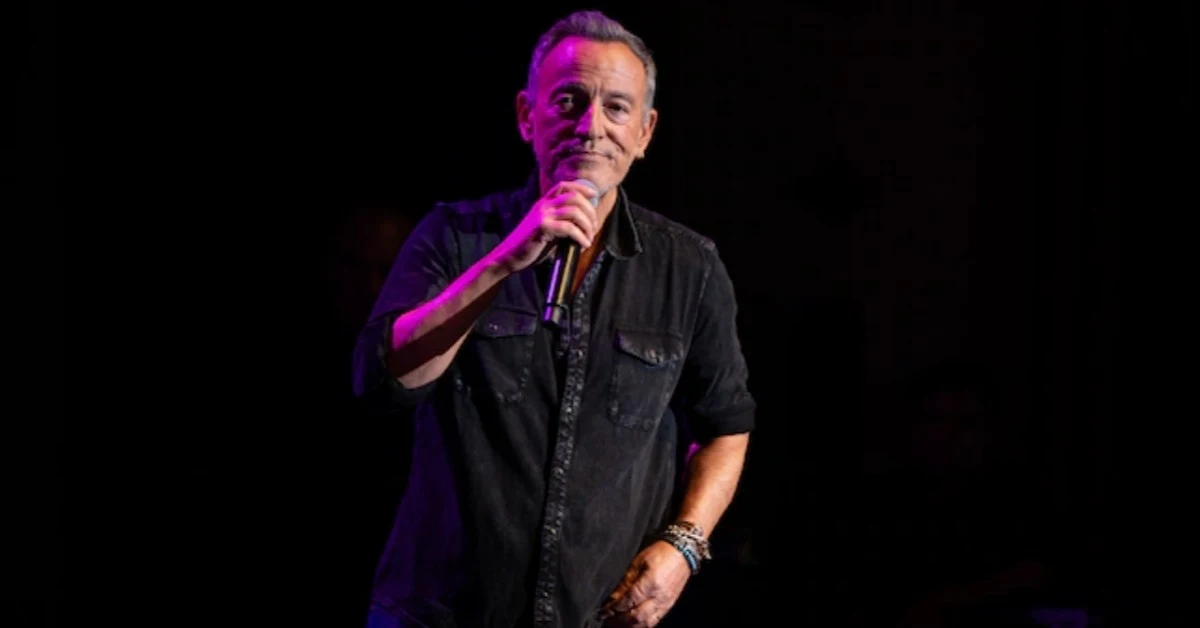
Bruce Springsteen answers a turbulent moment with a raw new song, using music to spotlight fear, loss and solidarity.
Bruce Springsteen is no stranger to writing songs that meet history where it hurts.
This week, the rock legend surprised fans by releasing “Streets of Minneapolis,” a newly written track framed as an artistic response to unrest, immigration fears and state power in America.
Rather than positioning the song as a news report, Springsteen presents it as a personal statement and moral reflection. In a message shared with the release, he explained that the song was written and recorded within days, driven by what he described as “state terror” and dedicated to immigrant communities and the city of Minneapolis.
The names mentioned in the song — Alex Pretti and Renee Good — appear within the narrative of the lyrics, serving as symbols of loss rather than independently verified events.
Musically, “Streets of Minneapolis” begins quietly, led by acoustic guitar, before building into a full-band arrangement that invites collective response. A chant-like refrain of “ICE out of Minneapolis” turns the song into something closer to a rally than a performance, echoing Springsteen’s long history of blending music with civic emotion.
The lyrics paint stark images of boots on frozen streets, armed federal agents, and citizens pushing back with their voices. Springsteen’s words criticize authority figures and government agencies by name, but the focus remains on people — neighbors, protesters and families — rather than policy details.
The song’s emotional core lies in its sense of mourning and resistance, not in presenting a factual timeline.
The title intentionally recalls Springsteen’s Oscar-winning “Streets of Philadelphia,” linking this new release to his earlier work about communities facing crisis and stigma. In both cases, the streets themselves become witnesses to pain, courage and survival.
For fans, the release feels urgent and intimate, as if Springsteen is speaking directly to the moment rather than looking back years later. Whether listeners agree with his politics or not, the song reinforces his reputation as an artist who responds quickly, emotionally and unapologetically.
“Streets of Minneapolis” is less about documenting events and more about expressing how fear, anger and hope can coexist — and how music can still be a place to stand together when words alone feel inadequate.
