
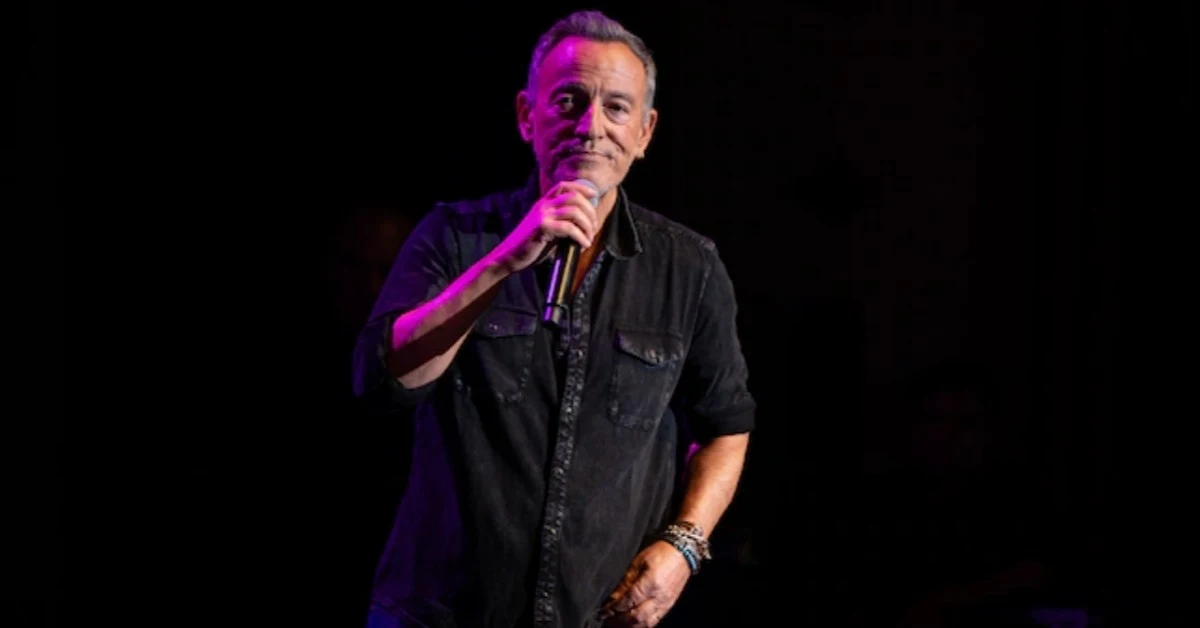
Bruce Springsteen’s new protest song on Minneapolis ICE raids stirs grief, pride and debate, as locals weigh art’s power in tense times.
In Minneapolis, where recent immigration enforcement actions have left many residents shaken, Bruce Springsteen’s surprise release of his protest song “Streets of Minneapolis” has become more than a political statement — it’s a mirror reflecting a community’s pain, pride and deep divisions.
Springsteen said he wrote and recorded the song within days, describing it as a response to what he called “state terror” linked to ICE operations in the city. He dedicated the track to Minneapolis residents, immigrant neighbors and to the memories of Alex Pretti and Renée Good, whose deaths have intensified local emotions.
For many in the city, the song arrived at a moment when words have been hard to find.
Local community advocates say the song validates the fear and frustration felt by immigrant families. Some residents have shared that hearing a globally recognized artist speak directly about their city made them feel seen during a tense period.
Others, however, question whether a song — especially from someone outside Minnesota — can fully capture the complexity of what’s happening on the ground.
The White House was quick to respond. Spokeswoman Abigail Jackson told The Hollywood Reporter that the administration remains focused on cooperation between state leaders and federal law enforcement, dismissing the song as containing “irrelevant opinions and inaccurate information.”
Her comments have added another layer to the national debate already surrounding the track.
Springsteen’s history of openly criticizing President Donald Trump is well known, and this latest release continues that pattern. Yet in Minneapolis, many residents say the conversation has grown beyond politics.
The song has sparked discussions at coffee shops, community meetings and online forums about art’s role during moments of crisis.
For a city searching for healing, “Streets of Minneapolis” has become both a soundtrack and a catalyst — reminding people that music can unite, challenge and provoke, all at once.
