
From pop powerhouses to punk-rock protests, the Super Bowl spotlight turns political as Trump opts out and artists speak up.
The Super Bowl has always been about more than football — and this year, the cultural noise around the big game may rival the action on the field.
President Donald Trump, who made headlines last year as the first sitting president to attend the Super Bowl, says he won’t be there when the championship returns on Feb. 8 to Levi’s Stadium in Santa Clara, California.
While he cited distance as the practical reason, the president didn’t hide his frustration with the musical lineup.
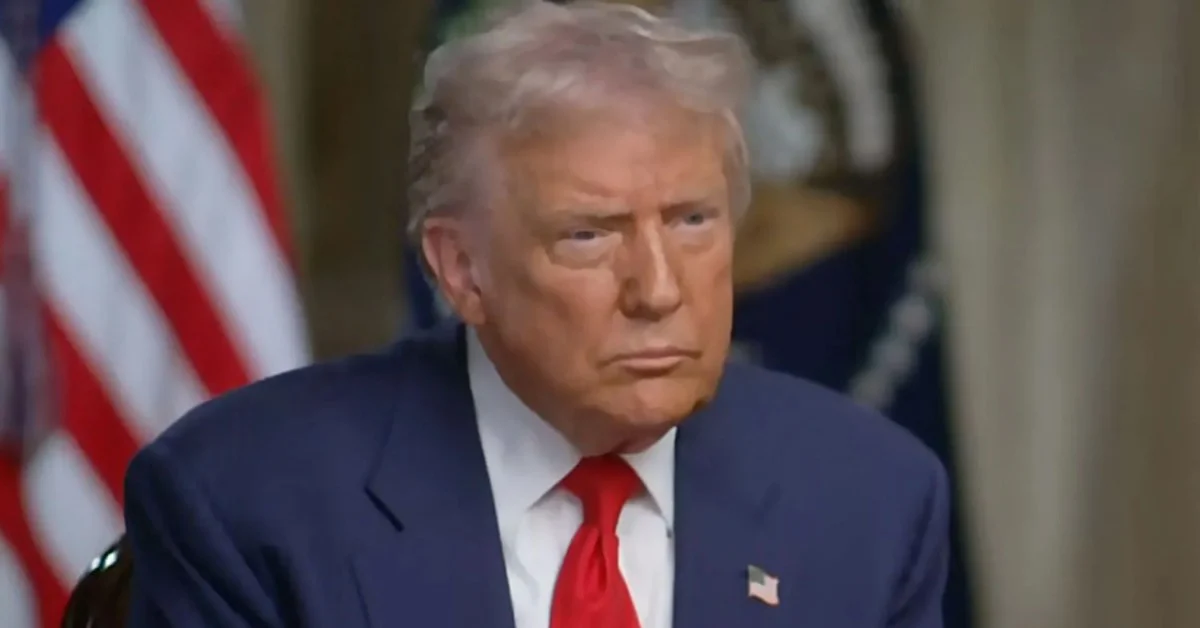
“It’s a terrible choice,” Trump said in a recent interview, referring to performers Bad Bunny and Green Day. “All it does is sow hatred.”
Both artists are outspoken critics of the president, and their presence has turned Super Bowl LX into a flashpoint in the ongoing intersection of politics, pop culture, and sports.
Bad Bunny, the global music superstar often called the “King of Latin Trap,” has been especially visible in recent political conversations. The Puerto Rican rapper supported former Vice President Kamala Harris in the 2024 election and has raised concerns about immigration enforcement under the Trump administration.
Those concerns also influenced his decision not to schedule U.S. dates on his most recent world tour.
“There were many reasons,” he explained in a magazine interview, emphasizing fear and uncertainty rather than anger. For fans, his stance has only strengthened his image as an artist willing to use his platform for more than music.
Green Day, set to appear during Super Bowl weekend events, has a longer history of clashing with Trump-era politics. Frontman Billie Joe Armstrong has repeatedly altered lyrics during live performances to criticize the MAGA movement and recently aimed sharper commentary at the administration’s immigration agenda and senior advisers.
Trump insists the performers’ politics aren’t the sole reason he’s skipping the game, but his remarks underline how the Super Bowl has become a stage for broader national debates. What was once a largely unifying spectacle now reflects the country’s cultural divides.
On the field, the focus remains on football. The AFC championship will see the New England Patriots face the Denver Broncos, while the Los Angeles Rams and Seattle Seahawks battle for the NFC title. The winners will earn their place under the brightest lights in sports.
Off the field, however, Super Bowl LX is shaping up to be a reminder that America’s biggest game doesn’t happen in a bubble — it plays out amid music, politics, and voices that refuse to stay silent.
PHOTO CREDIT: CBS
