
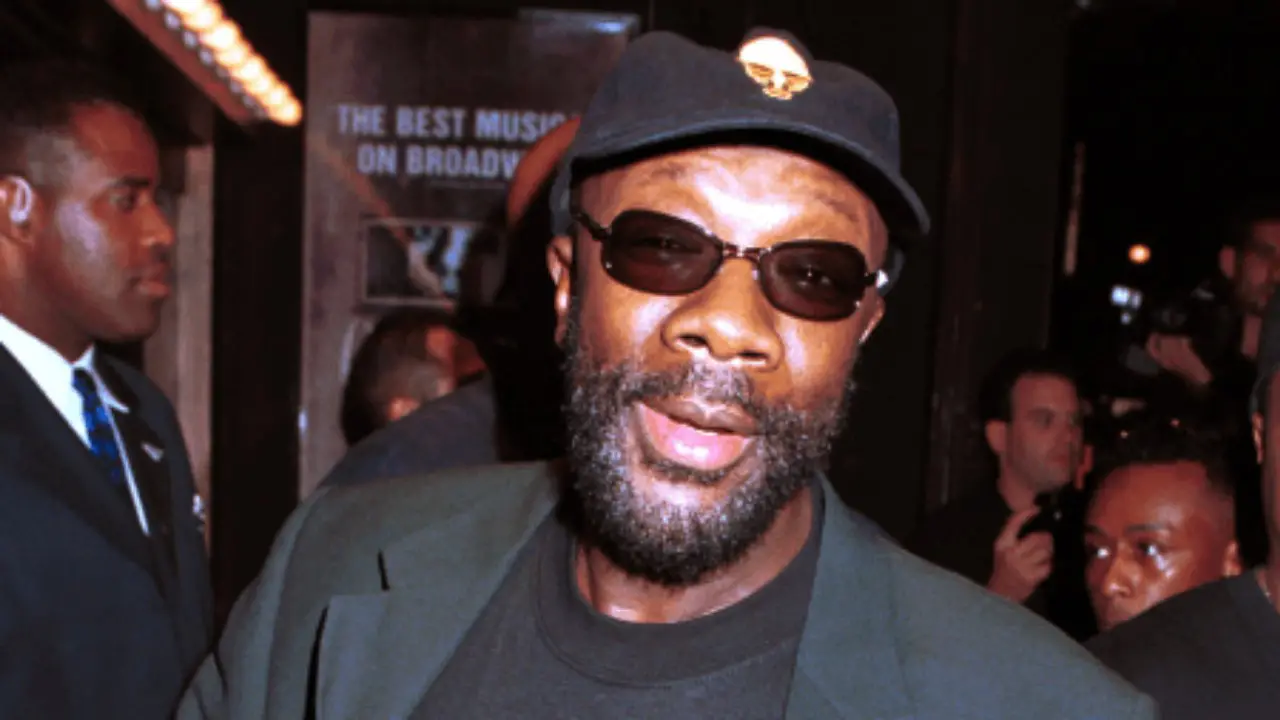
The estate of Isaac Hayes says it’s satisfied after settling its lawsuit over Donald Trump’s use of “Hold On, I’m Comin’” at rallies.
The family of late soul legend Isaac Hayes is closing a legal chapter — and sending a message about protecting artists’ legacies.
Nearly two years after filing a lawsuit against Donald Trump and his 2024 presidential campaign, Hayes’ estate has reached a settlement over the unauthorized use of the song “Hold On, I’m Comin’.”
The track, written by Hayes and his longtime collaborator David Porter and made famous by Sam & Dave, had been played at more than 130 Trump campaign events between 2022 and 2024.
On Monday, Isaac Hayes III shared that the family is “satisfied with the outcome” of the case. According to court documents obtained by The Hollywood Reporter, all parties agreed to a voluntary dismissal of the lawsuit with prejudice, meaning the case cannot be refiled.
Each side will cover its own legal fees. The specific terms of the settlement were not made public.
In a statement, the Hayes family and the Estate of Isaac Hayes, Jr. said the resolution goes beyond a legal win.
“This resolution represents more than the conclusion of a legal matter,” the statement read. “It reaffirms the importance of protecting intellectual property rights and copyrights, especially as they relate to legacy, ownership, and the responsible use of creative works.”
The estate originally sued in August 2024, accusing Trump and his campaign of repeatedly using the 1966 hit without permission at rallies and during the 2024 Republican National Convention. The song often played before and after Trump’s speeches.
In September 2024, U.S. District Court Judge Thomas Thrash Jr. granted an emergency injunction in federal court in Atlanta, ordering the campaign to stop using Hayes’ music while the case moved forward.
For Hayes’ family, the lawsuit was also personal. Isaac Hayes III had previously spoken out about wanting to distance his father’s work from political messaging he said did not reflect the artist’s values.
In earlier public posts, he criticized the campaign’s continued use of the song and said the family would take action to protect Hayes’ legacy.
Hayes, a Grammy and Oscar winner, dedicated his life to music and became a defining voice in soul. His estate said it remains committed to ensuring that his contributions are respected.
“Protecting ownership is not only about the past,” the family’s statement added, “it is about preserving dignity, value, and accountability for future generations.”
While the financial details remain confidential, the family says the outcome underscores a broader point: Artists — and their estates — have the right to decide how their work is used.
