
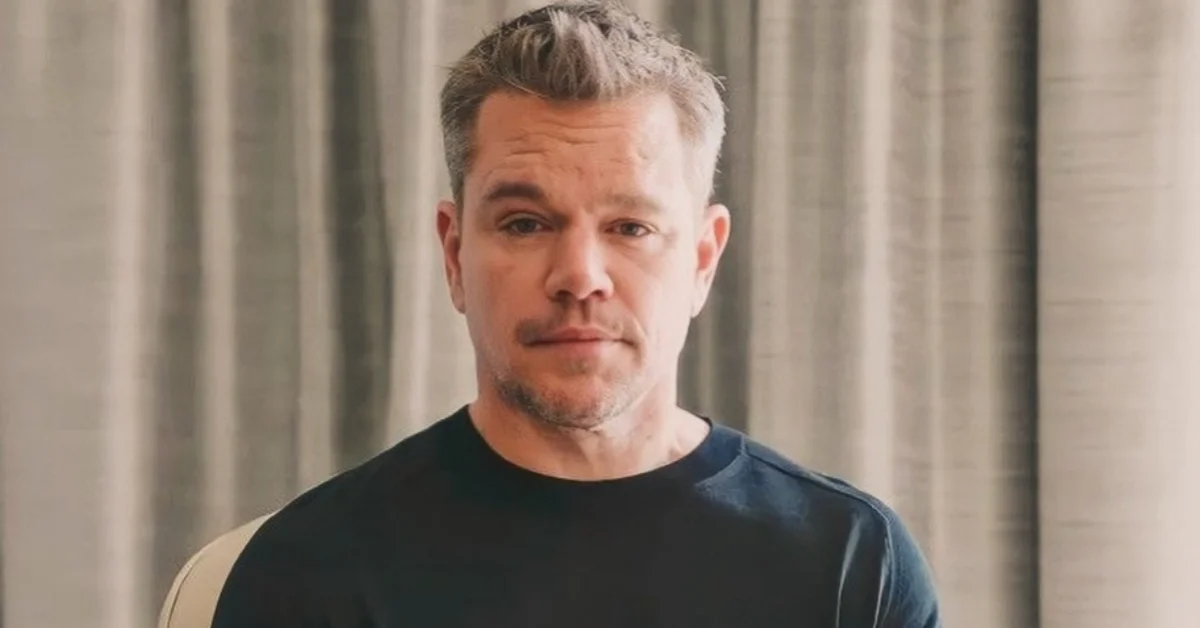
Matt Damon says Netflix movies are now built for distracted viewers — with faster action, repeated dialogue, and less patience for slow builds.
Matt Damon is pulling back the curtain on how streaming habits are influencing modern filmmaking — and it turns out our phones may be part of the script.
While promoting their upcoming Netflix movie The Rip, Damon and longtime collaborator Ben Affleck spoke candidly on The Joe Rogan Experience about how the streaming giant approaches storytelling.
According to Damon, movies made for home viewing face a very different challenge than those made for theaters: attention.
“When people watch movies at home, they’re not always fully watching,” Damon explained. Unlike a dark theater where viewers are locked in, streaming audiences are often multitasking — scrolling, texting, or half-listening.
That reality, he said, is shaping creative decisions behind the scenes.
Damon noted that Netflix often encourages filmmakers to move major action sequences earlier in a film. Instead of slowly building toward a big third-act finale, the goal is to hook viewers within the first few minutes.
The platform has also pushed for dialogue that restates key plot points multiple times, ensuring the story still lands even if viewers miss a moment.
“It’s about keeping people from clicking away,” Damon said, describing how retention has become a major concern.
Ben Affleck, however, was quick to point out that this approach isn’t the only path to success. He highlighted Netflix’s recent hit limited series Adolescence as proof that audiences will still show up for slower, more challenging storytelling.
“That show didn’t follow any of those rules,” Affleck said. “It’s quiet, dark, and uncomfortable — and it works.”
Affleck praised the series for trusting viewers, even during long stretches of silence and subtle emotion. For him, its success shows that strong storytelling can still break through without constant reminders or early explosions.
Together, Damon and Affleck’s comments reflect a larger tension in Hollywood today: balancing creative risk with the realities of how people actually watch.
As streaming continues to dominate, filmmakers may keep adjusting — even if it means competing with what’s happening on our screens in our hands.
