
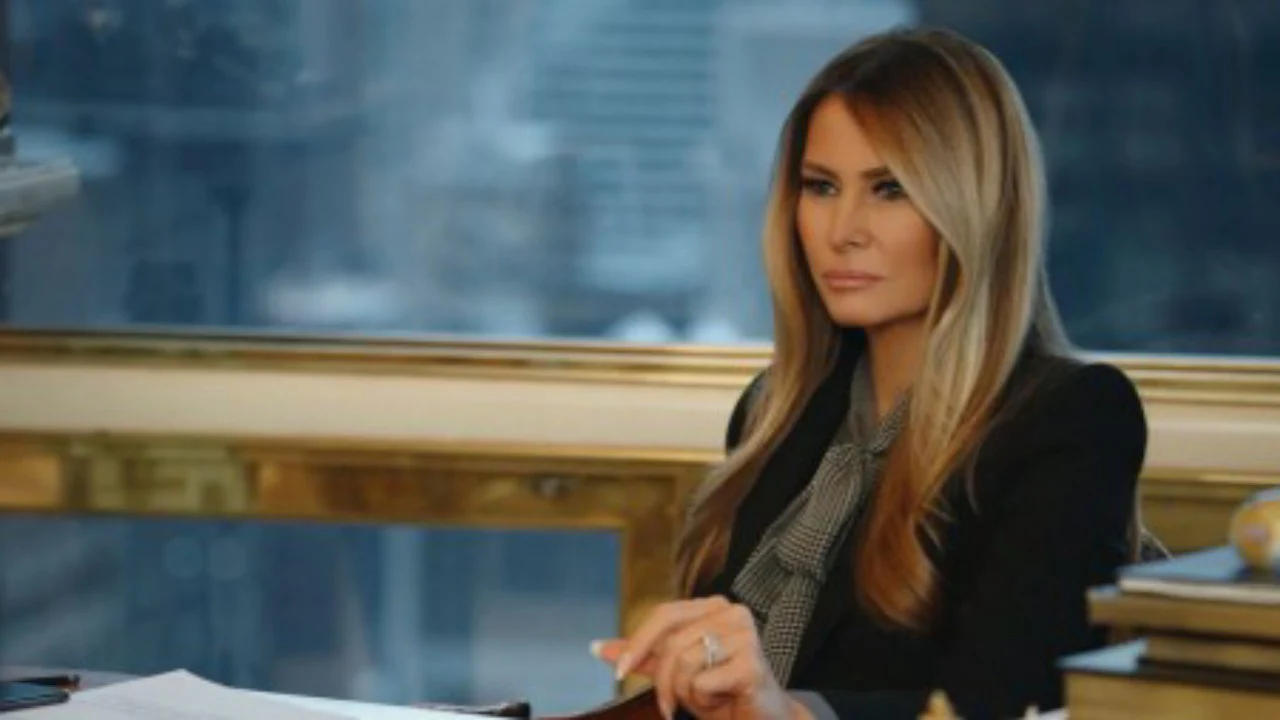
A famed film score sparked a quiet standoff as Jonny Greenwood and Paul Thomas Anderson sought to pull music from a Melania documentary.
When a familiar, haunting piece of music surfaced in the documentary Melania, it didn’t go unnoticed by the artists who created it.
Director Paul Thomas Anderson and composer Jonny Greenwood have asked that music from their 2017 film Phantom Thread be removed from the project, citing a failure to consult Greenwood on its use.
In a statement shared with Variety by Greenwood’s representative, Anderson and Greenwood said they were alerted that a segment of the Phantom Thread score appeared in the Brett Ratner–directed film. While Greenwood composed the music, he does not own the copyright.
Still, the pair say the studio’s decision to license the cue without involving Greenwood violated his composer agreement.
“Universal failed to consult Jonny on this third-party use,” the statement said, calling the move a breach and confirming that both Greenwood and Anderson asked for the music to be taken out of the documentary.
The dispute adds another wrinkle to the already buzzy release of Melania, a film positioned as a closer look at former First Lady Melania Trump. Despite heavy promotion, critics have largely described the documentary as glossy but guarded.
Audiences, however, have shown up: the film earned $13.35 million domestically after two weekends, an impressive figure for a documentary that isn’t centered on music or nature.
Behind the scenes, the price tag has drawn even more attention. Amazon MGM reportedly spent $40 million to acquire the film and a related streaming docu-series, then added another $35 million for theatrical marketing.
Those numbers are almost unheard of in the documentary space, where box office returns are rarely the main goal.
The spending has fueled industry chatter about Amazon MGM’s broader motivations, including speculation about whether the release is meant to curry favor with the current political administration. Since theaters typically keep about half of ticket sales, recouping the investment will be a challenge.
In a rare move, the studio issued a statement addressing the film’s second-weekend performance.
For Greenwood, the situation touches on a larger theme: control over how carefully crafted film music is reused. Over the past 25 years, he has become one of cinema’s most distinctive composers, scoring or contributing to 12 films, many in collaboration with Anderson.
His work on There Will Be Blood, Inherent Vice, Liquorice Pizza, and Phantom Thread has earned particular praise for its emotional depth.
In his 2017 review, Variety critic Owen Gleiberman described the Phantom Thread score as “rapturous with longing and anxiety,” evoking a classic Hitchcock-era unease.
Now, that same music sits at the center of a modern debate about artistic consent, reminding Hollywood that even a few minutes of melody can carry serious weight.
