
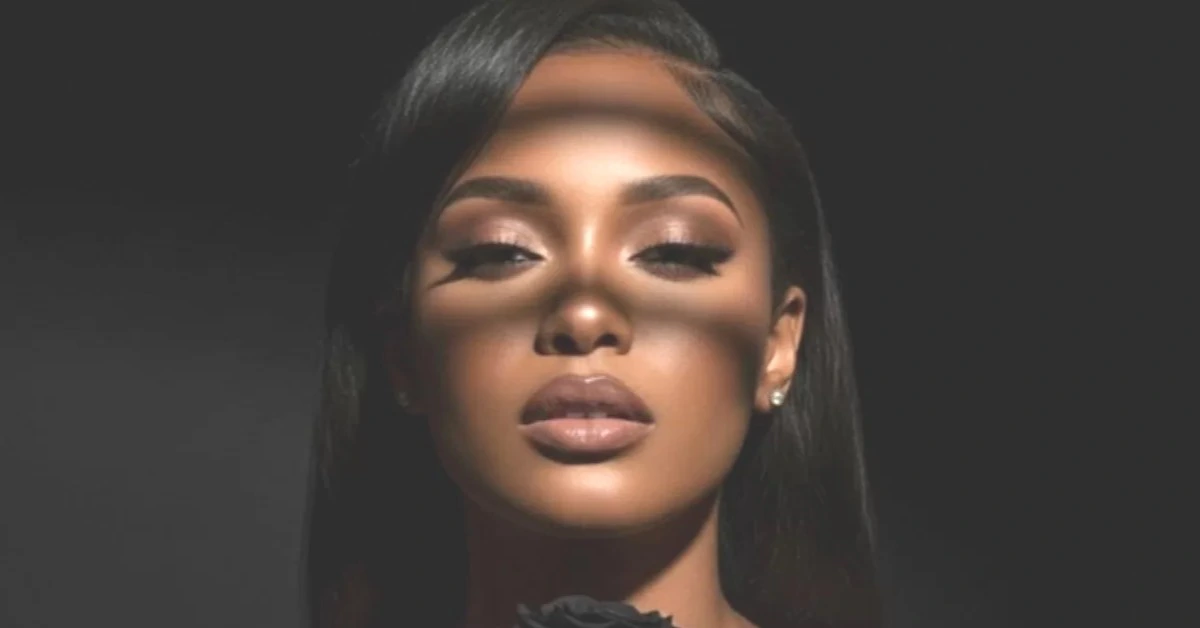
AI singer Xania Monet signs a $3M deal after becoming the first AI artist to chart on Billboard.
AI-generated R&B singer Xania Monet has officially entered the music industry spotlight after securing a groundbreaking deal worth more than $3 million with Hallwood Media.
The virtual artist, created with the help of artificial intelligence tools, has quickly risen from online buzz to mainstream recognition, igniting conversations about the future of music creation.
Earlier in November, Xania Monet made history by becoming the first AI-generated singer to chart on Billboard, reaching No. 30 on the Adult R&B Airplay chart.
Her breakout success stemmed from the viral popularity of her single “How Was I Supposed to Know,” which first gained traction on TikTok before spreading to major streaming platforms.
Xania Monet’s voice and songs are the result of Mississippi-based songwriter Telisha Nikki Jones, who used the AI-powered music generation platform Suno to transform her lyrics into full R&B tracks.
Jones has emphasized that AI serves as a creative tool rather than a replacement for human artistry, helping her craft polished vocals and bring her songwriting vision to life.
The project’s manager, Romel Murphy, echoed this sentiment, describing AI as a medium that allows artists to communicate more directly with listeners. He noted that the team behind Xania Monet views the technology as an enhancement to the creative process, not a threat to traditional musicians.
Despite this, the virtual singer’s rapid success has triggered concern among human artists, who fear that the industry may increasingly prioritize AI-generated talent over real performers. Critics argue that relying on AI could undermine the value of human creativity and reshape the industry’s investment strategies.
Since her debut, Xania Monet has released 44 songs on Spotify and amassed about 1.2 million followers across streaming platforms, in addition to nearly 800,000 social media followers.
Her rise represents a pivotal moment in entertainment, prompting deeper questions about how AI will influence artistic integrity, originality, and the future relationship between human creators and technology.
