
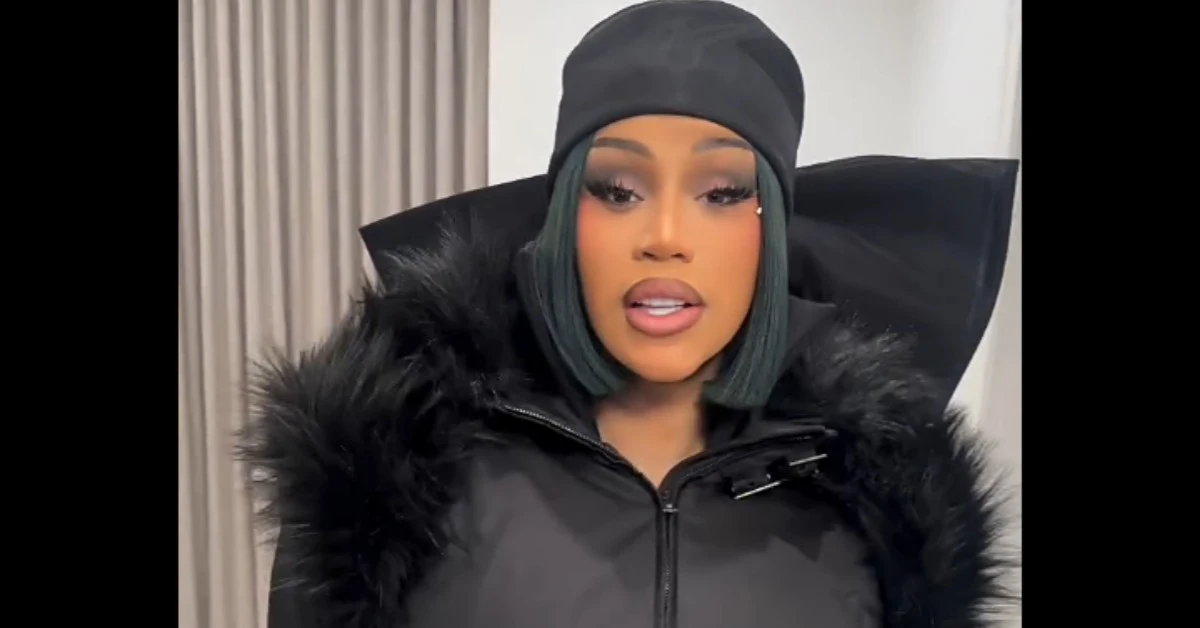
Cardi B’s “Enough (Miami)” copyright case got dismissed. The producers never even registered their track. It was over before it began.
Cardi B didn’t have to fight this one. A federal judge in Texas just tossed the copyright lawsuit against her 2024 banger “Enough (Miami)” — and honestly, it didn’t even make it to a real legal battle. It collapsed before it could.
This wasn’t just some random lawsuit. Producers Joshua Fraustro and Miguel Aguilar came swinging, claiming Cardi lifted the melody and bassline from their track “Greasy Frybread” for what turned out to be a Top 10 single off her No. 1 album Am I the Drama? That’s not a small accusation.
They never registered “Greasy Frybread” with the U.S. Copyright Office. That’s the move you have to make before you can even attempt a federal copyright claim. Without that registration, they had no federal standing. None. So they tried switching to Texas state law, arguing that because Cardi performed in Texas during her national tour, she could be sued there.
U.S. District Judge Fernando Rodriguez Jr. wasn’t buying it. He wrote directly that Cardi — referred to in court documents by her legal name, Almanzar — didn’t specifically target Texas. She just included it on a broader national tour like every other state. That’s not enough to drag her into a Texas courtroom.
He called the claims “defective” and said there was zero actual evidence that Cardi, Atlantic Records, or Warner Music Group messed with the producers’ business in any way.
Zero. Not “limited.” Zero.
Not gonna lie — this ruling is a reminder that you can’t just claim someone stole your work and expect a lawsuit to stick. The copyright registration step isn’t a technicality. It’s the foundation. Skip it, and you’re building on sand.
For Atlantic Records and Warner Music Group, this is clean. No liability, no ugly back-and-forth in court, no risk to one of their biggest recent releases.
Fraustro and Aguilar could technically refile — but with what? The location argument is dead, the federal copyright angle is gone because of the registration issue, and the judge already flagged the whole case as defective on the facts. That’s a steep hill.
This lawsuit always felt shaky. You don’t go after a Top 10 record on a No. 1 album without airtight paperwork — and these guys didn’t even have basic copyright registration locked in. Cardi didn’t even have to break a sweat here. The case fell apart on its own weight. The real question is why this even got filed in the first place.
So… was this ever a real copyright claim, or just a Hail Mary hoping for a settlement check?
