
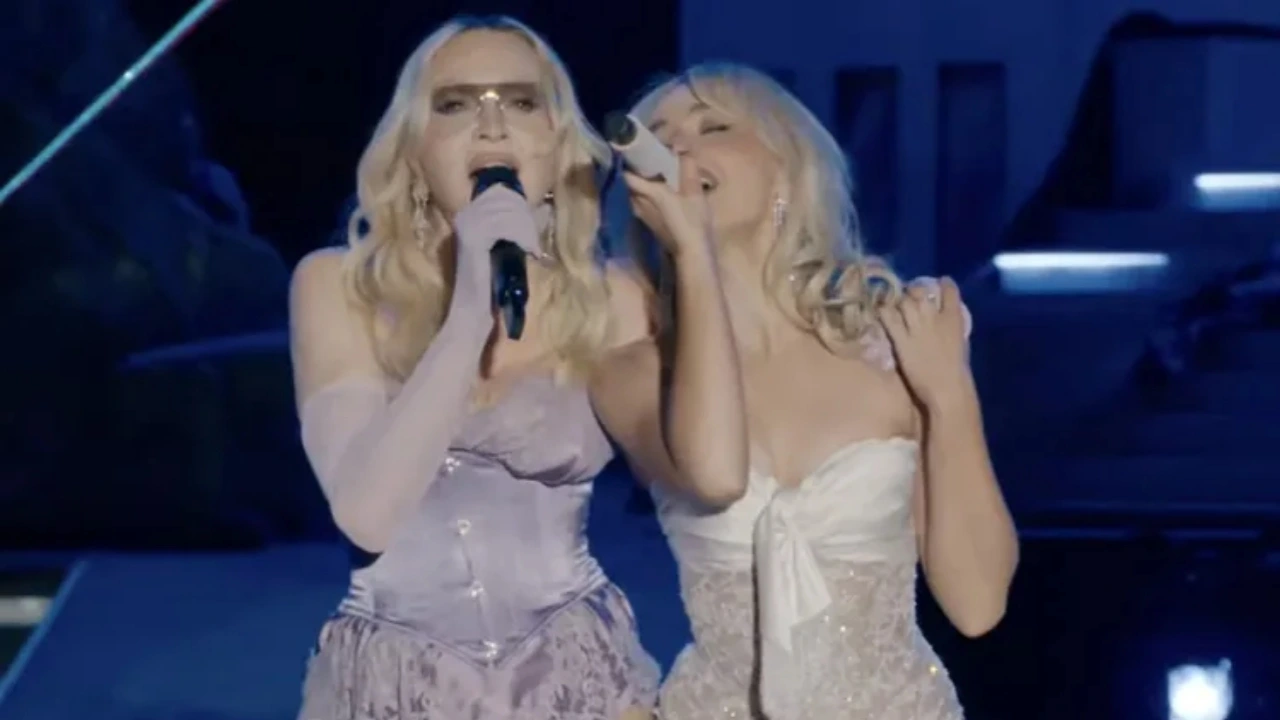
The crowd’s phone-lit stillness raises urgent questions about live music culture — and what it means for the concert business
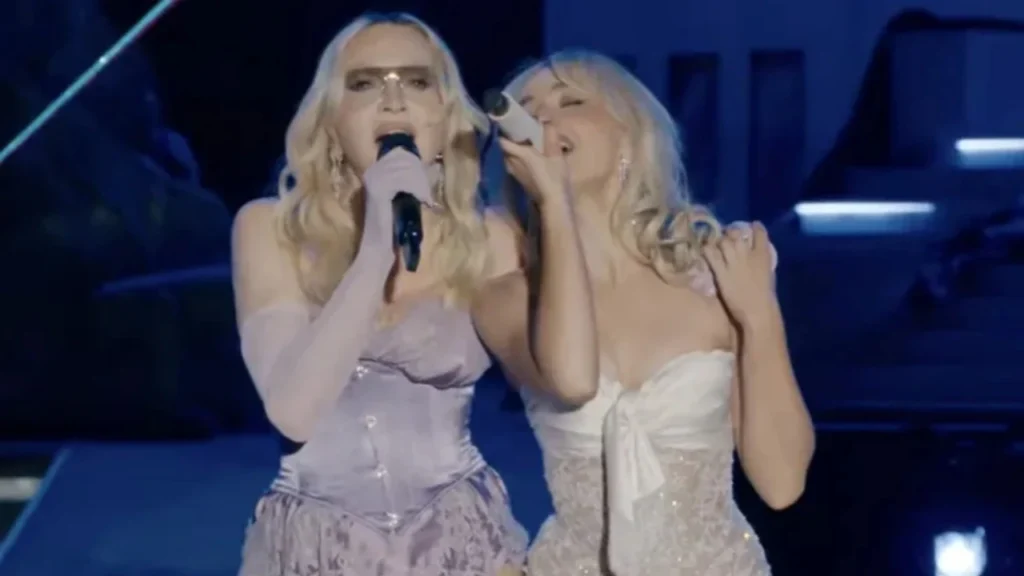
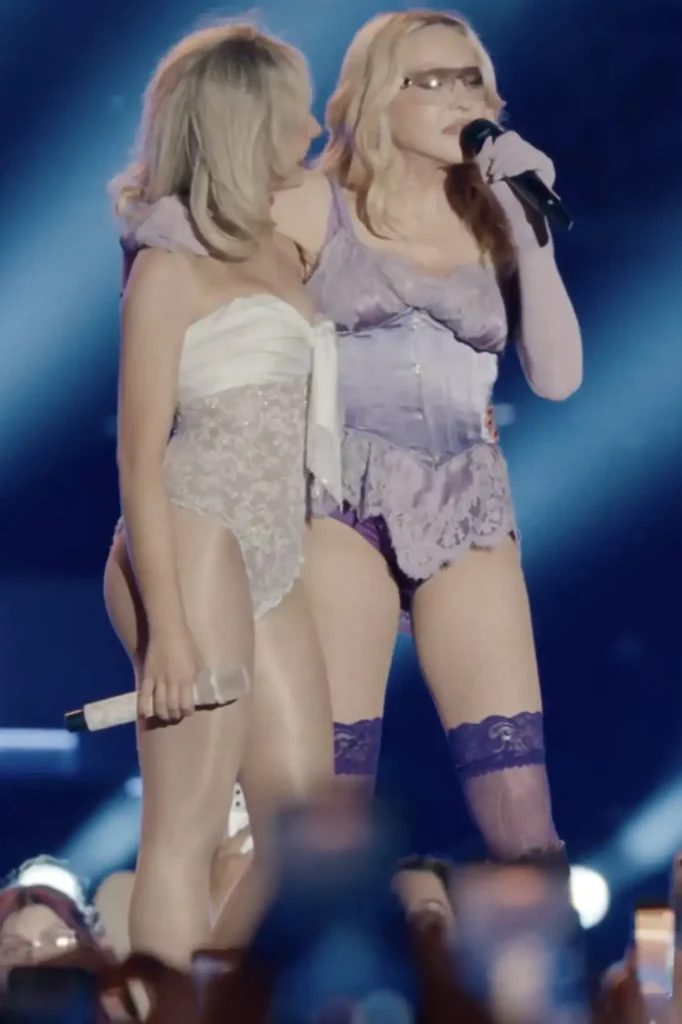
One of the most anticipated surprise moments of this year’s Coachella Valley Music and Arts Festival arrived when pop star Sabrina Carpenter brought Madonna to the main stage during her headlining set.
Two icons. Two generations. One stage.
By every measure, it should have been a moment the crowd lost its mind over. Instead, almost nobody moved.
Livestream footage told a damning story. From the front rows to the back of the field, thousands of phone lights held perfectly, eerily still.
When Madonna took the stage alongside her gospel choir and extended her hands toward the audience, the crowd’s response was close to nonexistent.
No dancing. Minimal clapping. Just a sea of glowing screens pointed forward.
This is not simply a fan experience complaint. When a paying audience — at a festival where general admission passes run well north of $500 — opts out of participation in real time, it raises serious questions about the commercial and cultural value of live performance itself.
That same weekend offered a sharp contrast elsewhere on the grounds. Veterans who turned out for Bruce Springsteen and John Densmore found their version of live music euphoria.
Turnstile’s pit was a full-contact celebration of exactly what concerts are supposed to feel like.
READ MORE: Madonna’s Coachella Costumes Go Missing: “These Aren’t Just Clothes, They Are Part of My History”
The energy deficit was not a Coachella-wide condition. It was specific to the mainstream pop audience that packed the main stage.
For major concert promotion companies including Live Nation Entertainment and AEG Presents, the trend carries real business implications. Audience engagement drives word-of-mouth. Word-of-mouth sustains long-term touring revenue. When crowds go passive, that organic marketing engine stalls.
Carpenter herself flagged this dynamic last year, telling interviewers she had considered banning phones at her shows — before acknowledging the move would “honestly piss off my fans.”
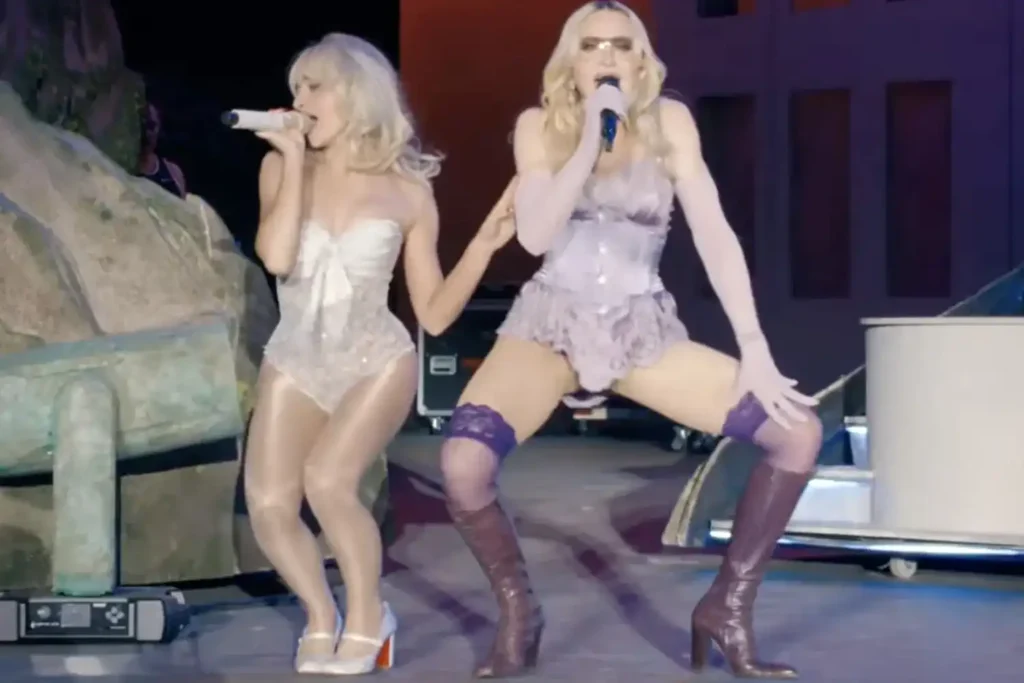
That admission captures the bind artists increasingly find themselves in. They want present, connected audiences. But they cannot afford to alienate the fan base that drives streaming numbers, ticket sales, and merchandise revenue.
The result, as Sunday night demonstrated, is a performance that carries all the energy of an awards show broadcast. Not even a good awards show. The Grammys on a slow year.
Coachella 2026 is projected to gross more than $100 million across its two weekends, according to industry estimates.
Goldenvoice, the AEG subsidiary that operates the festival, continues to command premium sponsorship rates and global streaming deals with YouTube.
At that financial scale, declining audience engagement is not just a cultural footnote — it is a warning indicator.
“When an artist of Madonna’s stature walks onstage and you can’t get the crowd to clap, we have to ask ourselves who we’re building these shows for,” A senior music industry executive told Consequence.net—who requested anonymity to speak candidly.
“The economics still work right now. The question is how long that holds if the experience keeps flattening out.”
