
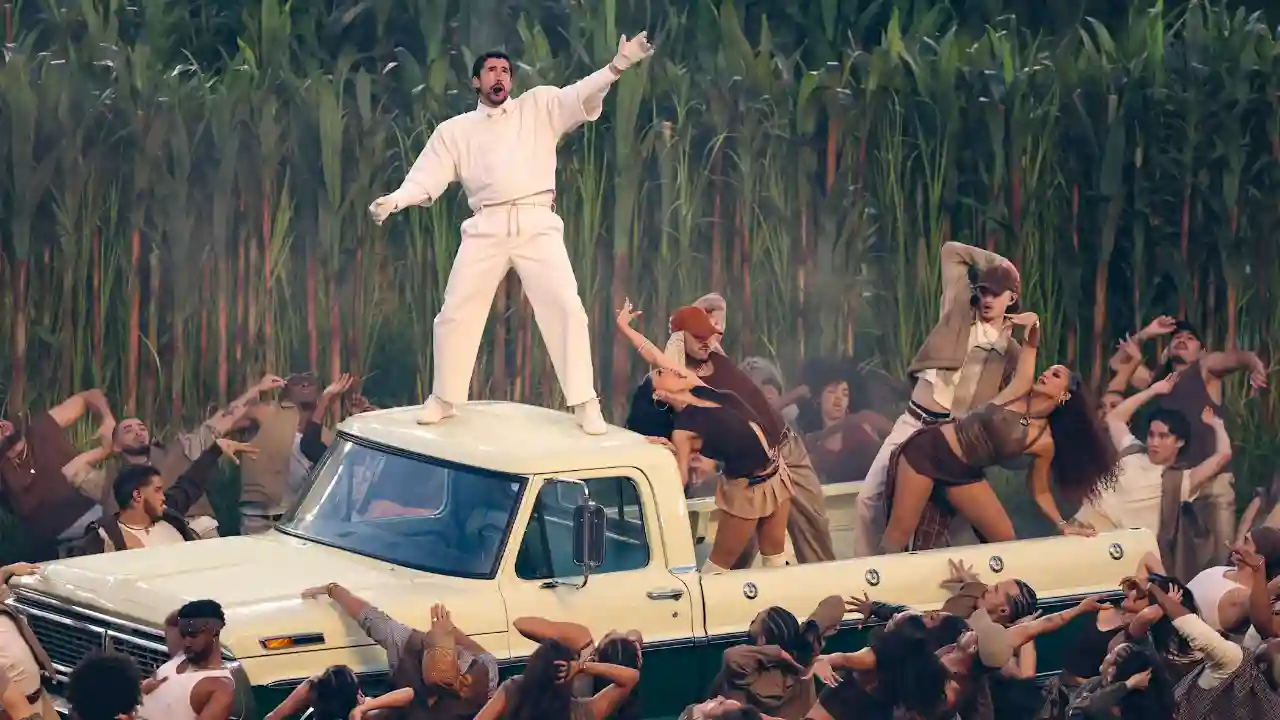
Bad Bunny’s 2026 Super Bowl halftime show wasn’t just a performance—it became a shared moment of pride, love, and representation.
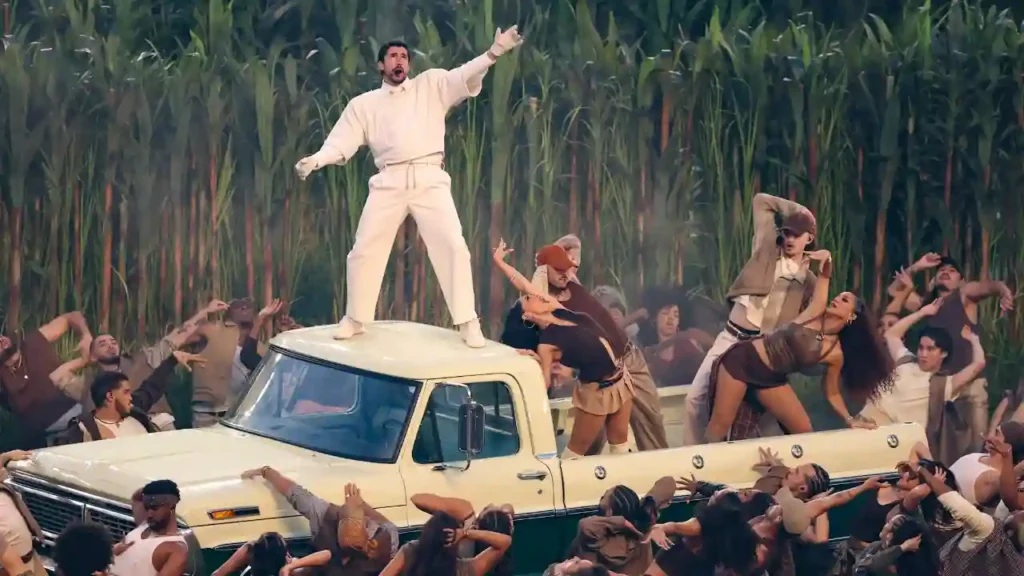
Bad Bunny didn’t just headline the 2026 Super Bowl Halftime Show—he transformed it into a cultural moment that rippled far beyond the stadium.
While viewers at home took in the music, choreography, and surprise guests, those on stage felt something deeper: a sense of unity, identity, and celebration that didn’t need words.
One of those feeling the impact firsthand was Jessica Alba, who joined Bad Bunny inside his now-talked-about “casita” set alongside an eclectic group of stars including Pedro Pascal, Karol G, Cardi B, Alex Earle, and others.
Rather than stealing focus, the celebrity-filled stage amplified the message—this was about community, not individual spotlight.
In a video montage shared the day after the game, Alba reflected on the experience not as an actress or celebrity, but as a participant in something meaningful. She described the performance as joyful, emotional, and grounding—an experience that gave her “full body chills.”
Her words echoed what many viewers sensed: this halftime show was rooted in dignity, inclusion, and representation.
Bad Bunny, born Benito Antonio Martínez Ocasio, has long used his platform to tell stories drawn from his Puerto Rican roots and lived experiences. At the Super Bowl—arguably the most mainstream stage in American entertainment—those stories weren’t diluted or translated for comfort.
They were presented boldly and unapologetically, inviting millions to simply feel them.
The performance also leaned into collaboration across cultures and genres. Lady Gaga surprised fans with a salsa-infused take on her 2024 hit “Die With a Smile,” while Ricky Martin added his own unmistakable presence.
One of the most talked-about moments came when a real-life couple was married during the show, blending spectacle with genuine human connection.
Afterward, Gaga shared her gratitude online, calling it an honor to be included and praising Bad Bunny’s heart and vision. Her message underscored what many artists felt: this wasn’t just another gig—it was a statement.
Bad Bunny closed the show with a simple but powerful message: “The only thing more powerful than hate is love.” It was a line that lingered long after the lights dimmed, resonating with a crowd hungry for togetherness in a divided time.
From the casita on stage to living rooms across the country, the halftime show became more than entertainment. It was a reminder that when culture is honored instead of erased, people feel seen.
And when people feel seen, joy follows—no translation required.
