
Jazz band The Cookers cancel a New Year’s Eve show as artists weigh money, audience, and values after Kennedy Center renaming.
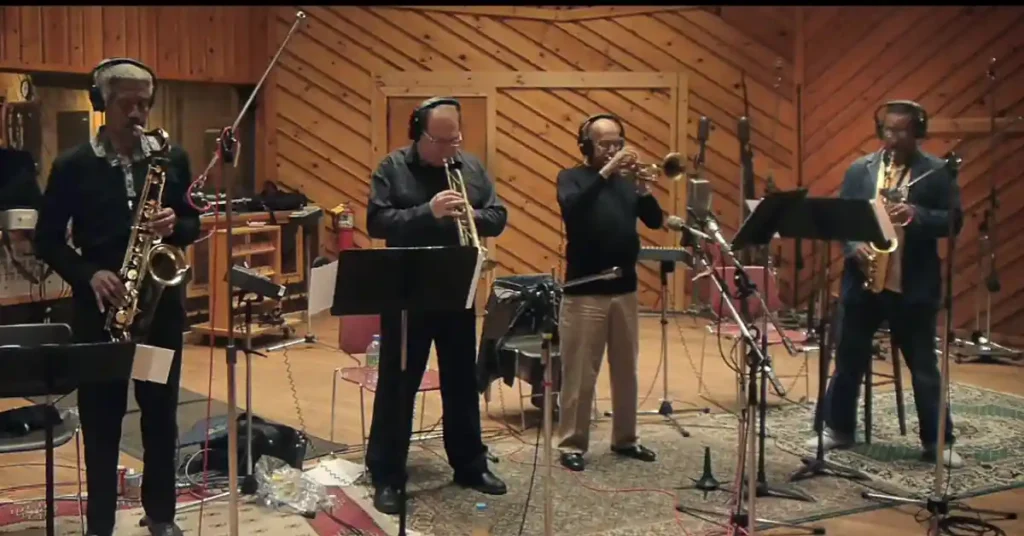
An ongoing debate over art, politics, and personal values took a new turn this week after acclaimed jazz group The Cookers canceled their New Year’s Eve performance at the newly renamed Trump-Kennedy Center, just two days before the show.
Rather than pointing fingers or making direct political statements, the band framed its decision as a moment of reflection. In a message posted on their website, The Cookers emphasized jazz’s deep roots in freedom, struggle, and self-expression. They explained that decades of history in the music shaped their choice and that the decision came together quickly.
Importantly, the band made it clear they were not walking away from their fans. Instead, they said they want to return to the stage when the space allows the music—and everyone connected to it—to feel fully welcomed and celebrated. Their message struck a calm tone, asking for understanding rather than anger and stressing their belief that music should bridge divides, not deepen them.
The cancellation follows a controversial decision by the Kennedy Center’s board on Dec. 18 to officially rename the institution the Donald J. Trump and the John F. Kennedy Memorial Center for the Performing Arts. The move has sparked backlash among some artists who feel the change alters the cultural meaning of the venue.
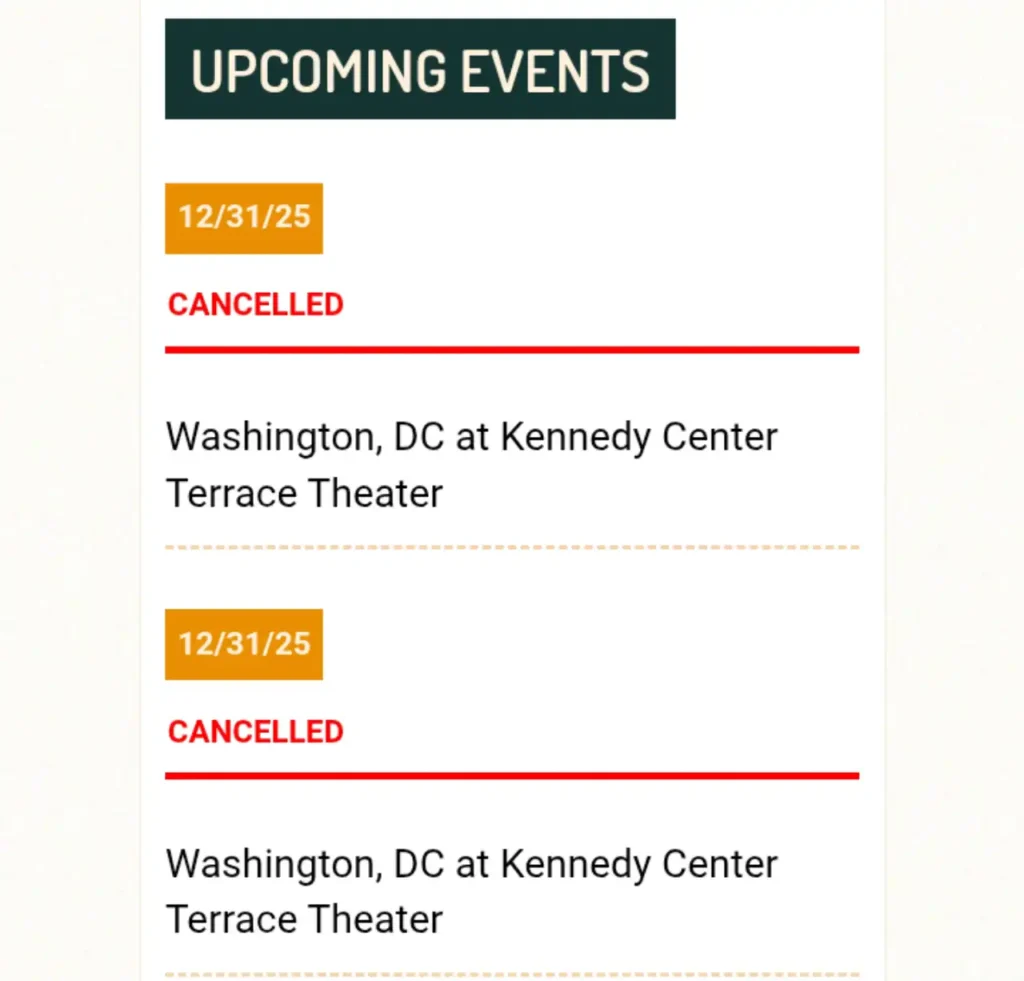
The Cookers are not alone. Jazz musician Chuck Redd previously canceled a Christmas Eve performance in protest. That decision led to a sharp response from Trump-Kennedy Center President Richard Grenell, who reportedly sought $1 million in damages, calling Redd’s cancellation a political stunt that caused financial harm.
A Kennedy Center spokesperson later criticized artists who cancel shows over political disagreements, saying such actions are selfish and go against the unifying purpose of art. The statement stressed that the center sees itself as bipartisan and committed to welcoming audiences of all backgrounds.
Meanwhile, the impact is spreading beyond jazz. The New York Times reported that the dance company Doug Varone and Dancers has also canceled two upcoming performances, despite a projected loss of $40,000. Varone described the decision as financially painful but morally fulfilling.
As more artists face the choice between performing and protesting, the situation highlights a difficult question: when cultural spaces change, how should artists respond—and what does standing by one’s values truly cost?