
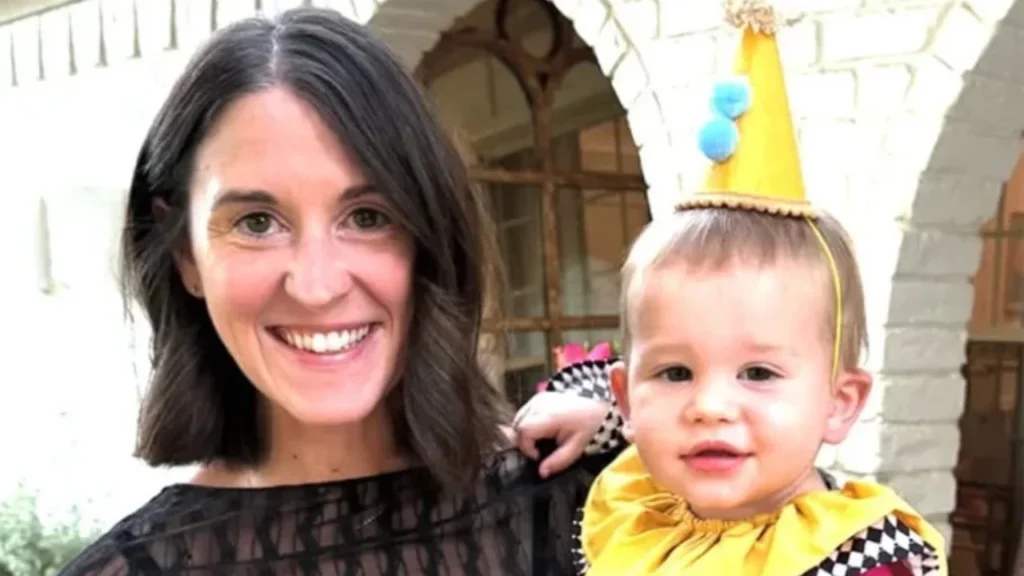
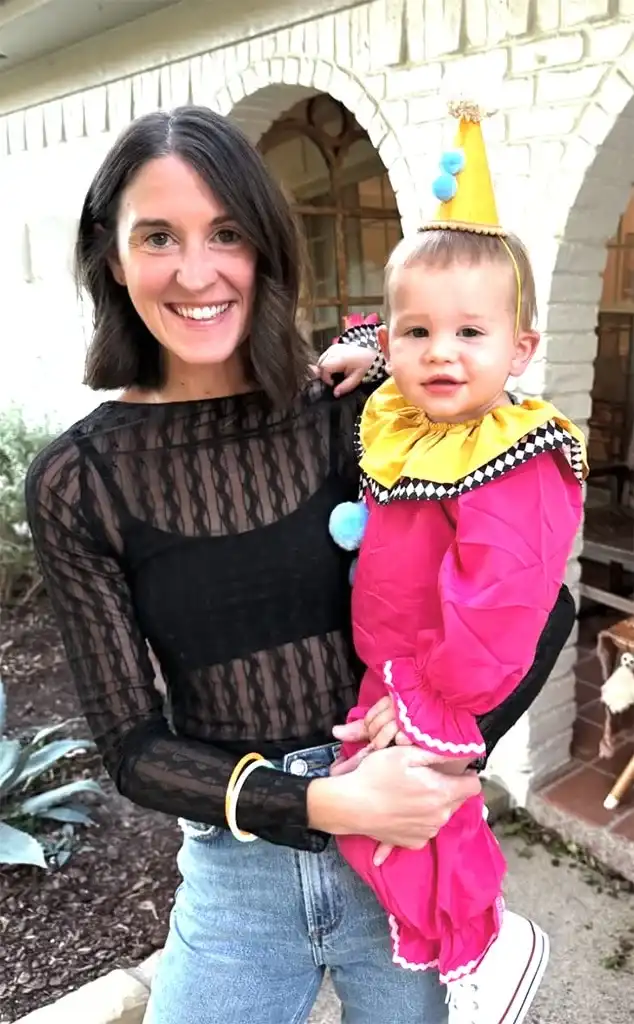
Parenting influencer Kelly Hopton-Jones is drawing widespread attention after a serious domestic accident in which she unintentionally struck her 23-month-old son, Henry, with her car. The incident, while deeply personal, is also sparking broader conversations across the digital parenting community about safety, accountability, and transparency in the influencer economy.
Hopton-Jones, who has built a sizable following through her “Hillside Farmhouse” blog and social platforms, disclosed the incident in an April 15 Instagram post. She explained that her son had wandered behind the vehicle as she was backing out of the driveway with her 3-year-old daughter, Lily, on their way to a dance performance.
“Today has been the worst day of our lives,” she wrote. “Life can change in the literal blink of an eye.”
The family rushed Henry to the emergency room, where doctors confirmed pelvic fractures but no major internal injuries or head trauma—an outcome Hopton-Jones described as “a true miracle.”
The post quickly gained traction online, drawing both support and scrutiny. Within the parenting influencer segment—part of a global influencer marketing industry valued at approximately $21 billion by 2025—the incident underscores growing tensions between curated online personas and real-world responsibility.
“Influencers today are not just content creators; they are behavioral role models,” said digital brand safety consultant Radhika Mehra. “Audiences are increasingly moving beyond the ‘perfect life’ narrative and expecting honest, responsible dialogue.”
Notably, Hopton-Jones is also a pediatric nurse practitioner, a detail that adds complexity to the situation. Despite her medical background, she acknowledged how a split-second lapse can lead to life-altering consequences.
“I keep coming back to what I could have done differently,” she wrote. “But what I would tell my own children is this—accidents happen, and the only mistakes are the ones we don’t learn from.”
She added that the experience has “changed us forever,” referring to herself and her husband, Brian Hopton-Jones.
From an industry standpoint, the incident highlights a broader shift toward vulnerability-driven content, where influencers openly share personal hardships. While such transparency can deepen audience engagement, it also introduces reputational risks, particularly for brand partnerships.
“In situations like this, brands tend to proceed with caution,” said media strategist Arjun Kapoor. “There is empathy, but also close monitoring of how public sentiment evolves.”
For now, Hopton-Jones says her focus remains on her son’s recovery. “We are holding him a little tighter tonight,” she concluded.
