
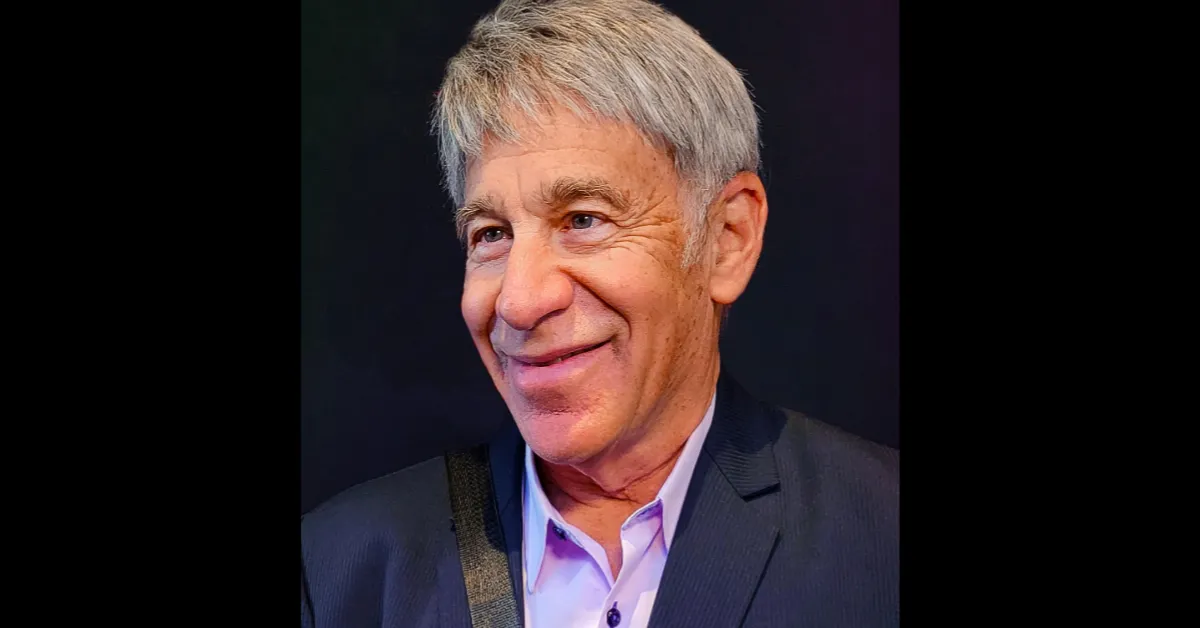
The Kennedy Center faces new backlash as “Wicked” composer Stephen Schwartz exits an upcoming gala, deepening the culture clash around Trump’s name change.
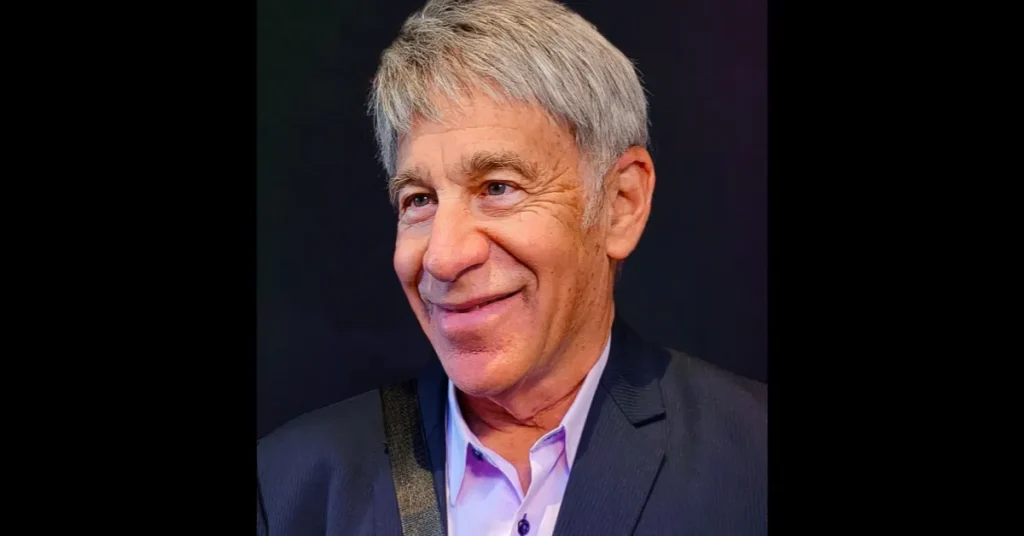
The political storm around the Kennedy Center continues to grow, with another high-profile artist stepping away after the venue’s controversial name change.
This time, it’s Stephen Schwartz, the Oscar-winning composer behind Wicked, Godspell, and Pippin, who has canceled a major appearance planned for later this year.
Schwartz was scheduled to host the Washington National Opera Gala on May 16, a marquee event for the iconic arts institution. But after the center officially added Donald Trump’s name to its title, the composer decided he could no longer take part.
In an email shared with Newsday, Schwartz said the Kennedy Center no longer reflects the neutral space for artistic expression it was meant to be. “There’s no way I would set foot in it now,” he said.
From the Kennedy Center’s side, leaders argue the cancellations say more about politics than art. Supporters of the decision claim the venue is still open to all audiences and performers, regardless of ideology, and that the name change honors leadership they believe represents millions of Americans.
This latest withdrawal is part of a much larger wave. Over the past year, several artists and groups have canceled shows following major leadership changes at the center. Early in 2025, President Trump reshaped the board, replacing members and later becoming chairman.
That move sparked the first round of boycotts. Tensions rose even higher late last year when the board voted unanimously to rename the institution the Donald J. Trump and John F. Kennedy Memorial Center for the Performing Arts.
Since then, cancellations have included the annual Christmas Eve Jazz Jam, performances by the New York Dance Company, jazz group the Cookers, trumpeter Wayne Tucker, and folk singer Kristy Lee. Some musicians said the name change crossed a personal line, while others worried about the arts becoming too closely tied to political identity.
Interim executive director Richard Grenell has pushed back hard. He accused previous leadership of favoring political activism over broad artistic appeal and criticized artists for boycotting a cultural institution they claim to support.
Grenell has even threatened legal action in one case, signaling that the center plans to fight cancellations aggressively.
As the debate continues, the Kennedy Center now stands at the center of a national conversation—one where art, politics, and identity collide, and where every cancellation adds fuel to an already heated cultural divide.
