
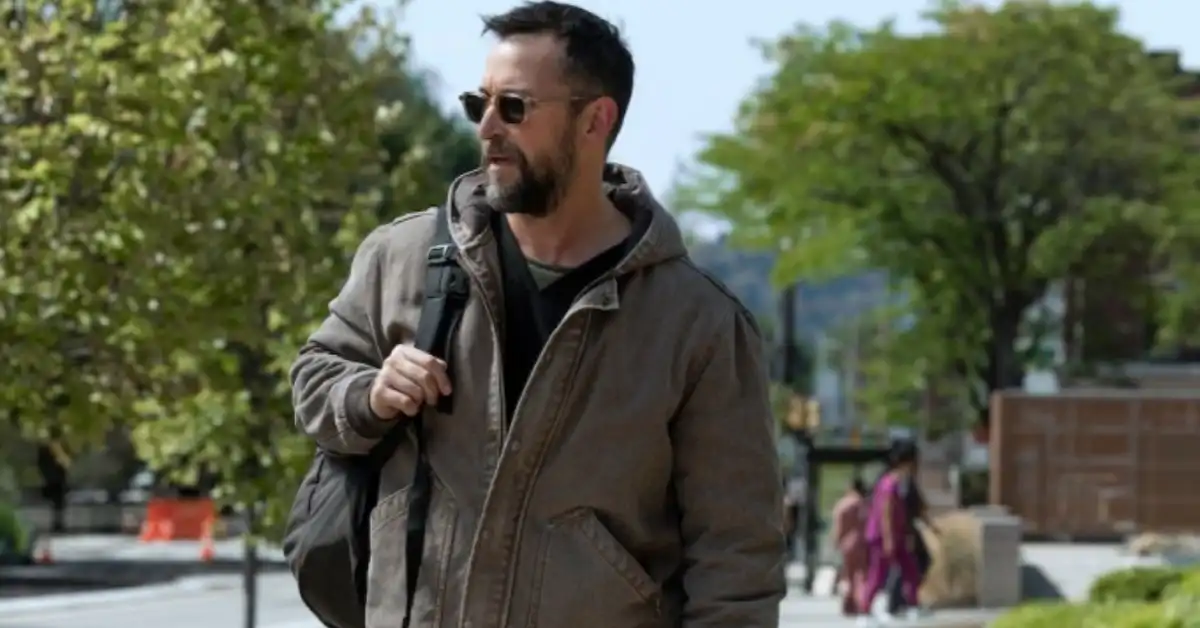
Season 2 of “The Pitt” jumps 10 months ahead, where recovery, regret and resistance collide during one long July 4 hospital shift.
When The Pitt exploded onto HBO Max with its intense first season, even the people making it didn’t expect the response. A gripping medical drama shaped by a mass casualty event, the series struck a nerve — and left its creative team facing a familiar question: what comes next?
For star and executive producer Noah Wyle, the answer wasn’t about raising the stakes with bigger emergencies or bloodier cases. Instead, Season 2 turns inward. It asks what happens after the sirens fade.
“We didn’t need to top ourselves,” Wyle explains. “We needed to stay honest about who these people are after something that changed them.”
Season 2 opens 10 months after the devastating events of Season 1. It’s July 4, the start of a 15-hour shift at the Pitt emergency department — and, notably, Dr. Robby’s last shift before a three-month sabbatical. He plans to ride his motorcycle north to Alberta, framing the trip as a reset. But beneath the bravado, it’s clear the journey is less about freedom and more about avoidance.
Robby, played by Wyle, is no longer able to deny that something is wrong. What he still can’t do is fully face it.
“He knows he needs help,” Wyle says. “But he doesn’t want to open the door all the way. He wants a quick fix. A timeline. A guarantee.”
That tension defines Robby’s arc this season. Instead of committing to therapy or fully addressing his trauma, he chooses motion — fixing up an old motorcycle, romanticizing the idea of finding himself on the open road. It’s a choice his coworkers see through immediately, even if Robby can’t.
Season 2 leans heavily into that theme: the difference between what people show at work and what’s really going on underneath. Over the course of the season’s real-time structure — each episode unfolding during the same long shift — the cracks begin to show.
Adding pressure is the arrival of Dr. Al-Hashimi, a new attending physician stepping in while Robby is away. Played by Sepideh Moafi, she is confident, modern and unafraid of close proximity — both physically and professionally.
She also couldn’t be more different from Robby.
Dr. Al-Hashimi embraces new technology, including AI-driven tools, and brings a leadership style that unsettles the department. For Robby, who is deeply protective of the Pitt and uncomfortable with physical closeness, her presence is especially challenging.
“He’s handing over his baby to someone whose style he doesn’t agree with,” Wyle says. “That’s uncomfortable on every level.”
The discomfort is intentional. According to creator R. Scott Gemmill, Dr. Al-Hashimi’s constant closeness mirrors Robby’s desire to retreat — pushing him even further out of his comfort zone. It’s not just about medicine. It’s about control, trust and letting go.
Meanwhile, another unresolved storyline walks back through the doors: Dr. Langdon.
After months in rehab following his drug theft in Season 1, Langdon returns to work hoping for a fresh start. What he finds instead is distance, resentment and quiet judgment — especially from Robby, once his mentor and biggest supporter.
The show doesn’t offer easy redemption. Langdon has done the work, but recovery doesn’t erase the harm he caused.
“He’s not expecting a parade,” says executive producer John Wells. “But he is hoping people will see how hard it was — and that doesn’t always happen.”
For Robby, the betrayal still stings. For others, Langdon’s absence meant extra shifts and heavier burdens. The season carefully explores that tension: the reality that personal recovery doesn’t guarantee forgiveness.
Langdon’s return also reopens wounds with Santos, the colleague who reported him. Their silence is thick with unresolved emotion, and while Langdon attempts an olive branch, there’s no promise it will be accepted.
Ultimately, Season 2 of The Pitt is less about dramatic medical twists and more about emotional aftermath. Change happens slowly — sometimes painfully — and often without clean resolution.
As Wyle puts it, 15 hours isn’t enough time to transform a life. But it’s enough to start something.
The Pitt streams Thursdays at 9 p.m. ET on HBO Max.
