
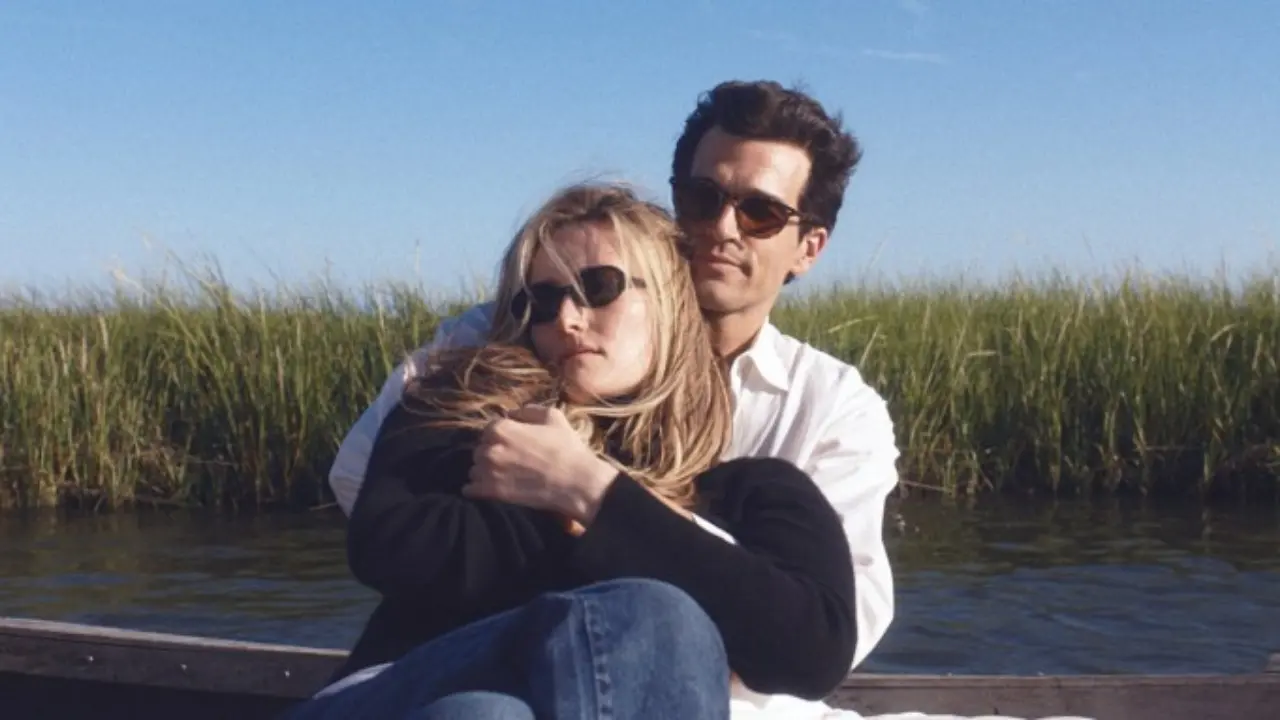
Episode five of FX’s “Love Story” reignites old headlines, blending fact and fiction as a former George staffer challenges its take on John Kennedy Jr.
The latest episode of Love Story has stirred up fresh debate about how history is remembered — and who gets to shape the narrative.
Titled “Battery Park,” the fifth installment of Ryan Murphy’s dramatized series centers on one of the most infamous moments in the relationship between John F. Kennedy Jr. and Carolyn Bessette-Kennedy: the photographed argument in which Kennedy allegedly pulled Bessette’s ring from her finger during a heated exchange in a New York City park.
The scene — which recreates the couple’s public fight, long dissected in tabloids — has prompted renewed online chatter over details. Did it really happen in Battery Park? Was it Washington Square Park? Did the ring break in half? For longtime observers, those questions miss the larger point: the episode isn’t simply recreating events. It’s interpreting them.
In a recap for The Hollywood Reporter, former George magazine writer Lisa DePaulo, who worked directly for Kennedy, took particular issue with the show’s depiction of his character. While she acknowledged that the real-life fight did happen — and that Kennedy did remove Bessette’s ring during the confrontation — she firmly rejected several dramatic embellishments. Notably, she disputed the idea that the ring was a priceless heirloom once owned by Jacqueline Kennedy Onassis and that Kennedy had stolen it before proposing.
In reality, she notes, Kennedy designed a diamond-and-sapphire engagement ring himself, inspired by one of his mother’s pieces.
Beyond factual tweaks, DePaulo’s larger criticism centers on tone. Episode five portrays Kennedy as emotionally fragile and indecisive — struggling with work demands at George and wavering in his commitment to Bessette. For someone who saw him daily in a professional setting, that portrayal rings false.
At the magazine’s offices, she recalls, Kennedy was steady and composed. Yes, he was aware of the relentless tabloid scrutiny — he even kept copies of papers like the National Enquirer on his desk — but he handled it with humor.
In one anecdote, he joked about a fabricated headline placing him on a tropical island with actress Daryl Hannah. The drama, she insists, rarely crossed into the workplace.
The episode also revisits Kennedy family dynamics, including a tense dinner scene featuring Ethel Kennedy and Caroline Kennedy. DePaulo argues that these portrayals lean toward caricature, presenting the family matriarch as overly rigid and Kennedy’s sister as cold.
While she concedes that political debates at the dinner table were part of the Kennedy household culture, she suggests the show heightens awkwardness for dramatic effect.
Another sticking point is the actor’s speech pattern. Paul Anthony Kelly’s performance includes a noticeable lisp, a trait DePaulo maintains Kennedy did not have. Small details like that, she argues, shape audience perception in powerful ways.
Still, even critics of the series admit that Murphy’s dramatization captures something true about the era: the suffocating pressure of public life before social media, when paparazzi lenses and tabloid covers could define a narrative overnight.
The photographed park argument became symbolic of the couple’s struggles, fair or not.
“Battery Park” ultimately underscores the tension between memory and myth. For viewers, it’s compelling television.
For those who were there, it’s more complicated — a reminder that real people, with private complexities, can look very different once filtered through a scripted lens.
