
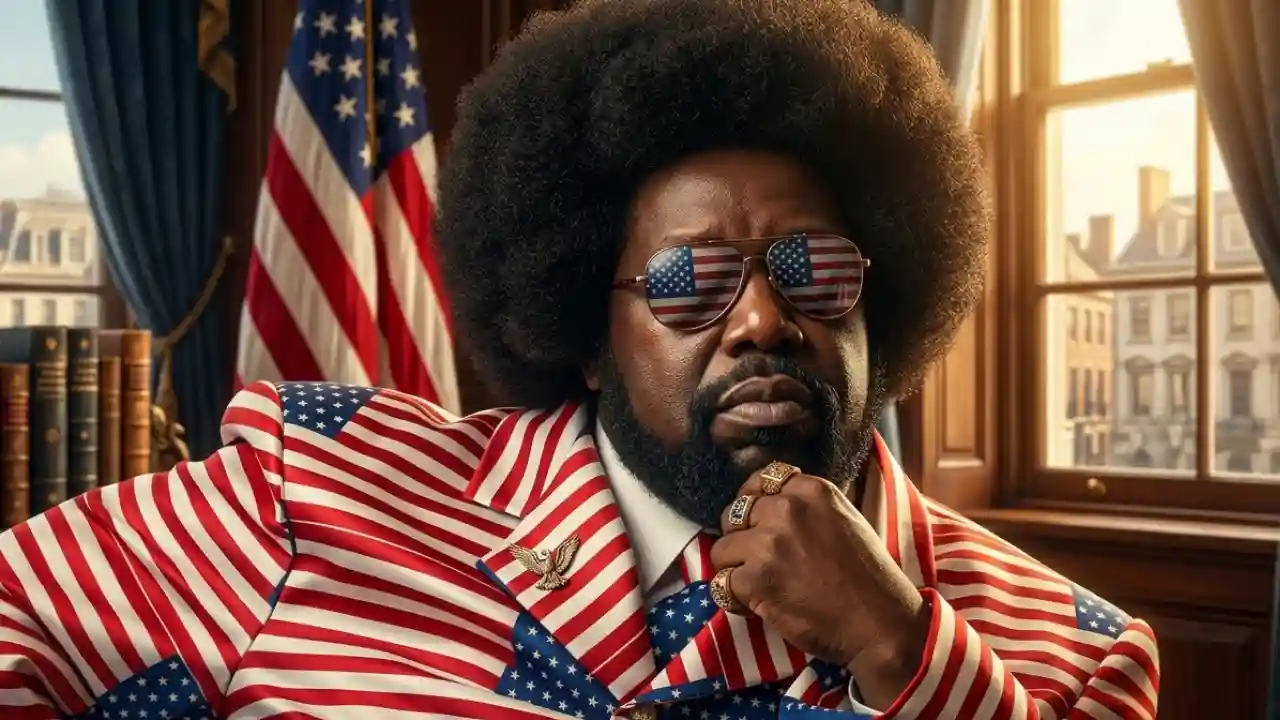
An Ohio jury ruled in favor of Afroman in a civil case over use of deputies’ images, marking a win for free speech rights.
An Ohio jury has ruled in favor of rapper Afroman in a closely watched civil case brought by sheriff’s deputies who accused him of using their likenesses without permission.
The decision, delivered in Adams County, followed a week of testimony centered on whether Afroman — born Joseph Foreman — unlawfully profited from surveillance footage captured during a 2022 police raid at his home.
The deputies had sought nearly $3.9 million in damages, claiming the rapper’s videos caused humiliation, emotional distress and reputational harm.
The case stems from an August 2022 search of Foreman’s property tied to allegations of drug trafficking and kidnapping. No charges were ultimately filed against the artist. Foreman has maintained that the raid caused significant property damage and alleged that some of his money went missing during the search.
In the aftermath, Afroman used home security footage from the raid in a series of music videos, most notably “Lemon Pound Cake,” which gained substantial traction online. The videos often portrayed the deputies in a critical or mocking light, forming the basis of the lawsuit.
Attorneys for the deputies argued that Foreman knowingly spread false and damaging narratives over several years. They asked the court to award financial damages and block any future commercial use of their images.
Foreman’s legal team countered that the videos were protected under the First Amendment, framing them as artistic expression and social commentary. His attorney argued that no reasonable viewer would interpret the content as factual reporting, but rather as the work of a performer blending humor, opinion and personal experience.
The defense also emphasized that the plaintiffs, as public officials, are subject to a higher level of scrutiny and criticism.
The jury ultimately sided with Afroman, rejecting the deputies’ claims.
Following the verdict, the rapper, visibly emotional, framed the outcome as a broader statement on constitutional rights.
“I didn’t win — America won,” he said outside the courthouse. “Freedom of speech is still here. It’s still for the people, by the people.”
The ruling underscores ongoing tensions between law enforcement and public criticism in the digital age, particularly as artists increasingly incorporate real-life encounters into their work.
