
Two lovers blame each other for a brutal murder — and a shocking tape leaves one man in prison while the other walks free.
In the heart of Louisville — a city known for bourbon, horse racing and dazzling disco balls — a murder still haunts a tight-knit community.
The new HBO true-crime documentary Murder in Glitterball City revisits the 2010 killing of Jamie Carroll, a beloved hairdresser and drag performer whose life ended in violence after a night of drugs and sex spiraled out of control.
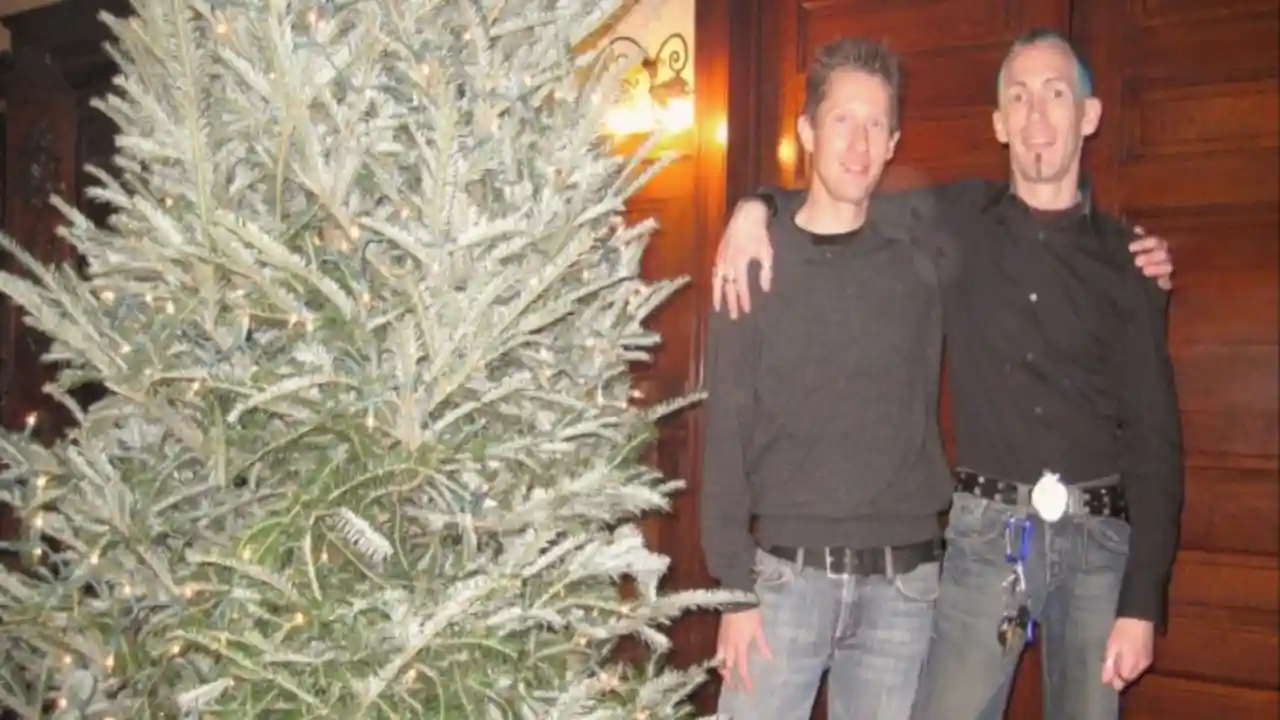
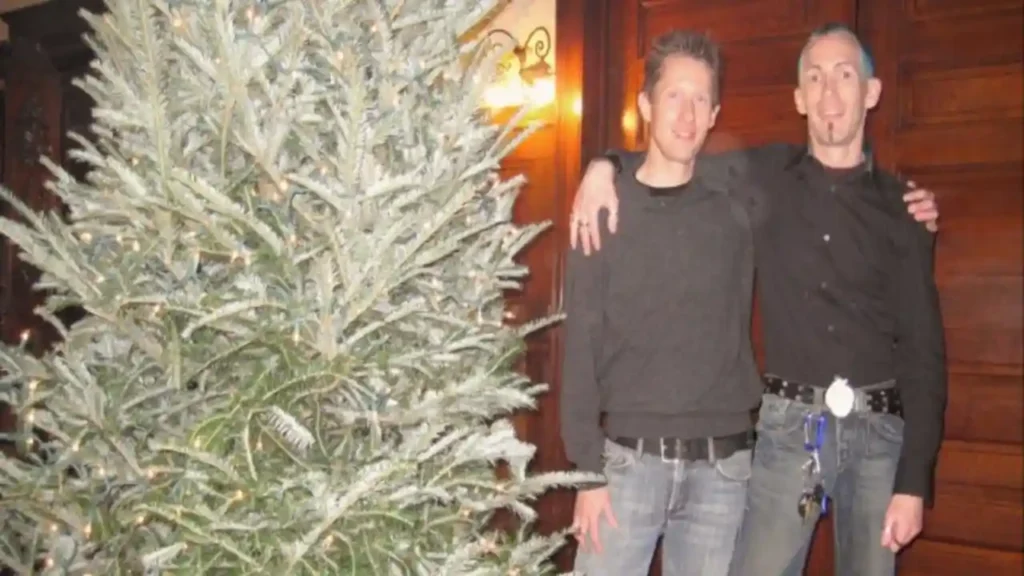
Two men were at the center of it all: Joey Banis and Jeffrey Mundt. Once romantically involved, the pair now tell very different stories about what happened in Carroll’s basement.
Only Banis is behind bars.
The two-part film, which premiered on HBO, examines how the case unfolded — and why two people tied to the same crime faced such different outcomes. Because each man accused the other, they were tried separately. At Banis’ trial, prosecutors leaned heavily on one haunting piece of evidence: a self-recorded confession video.
In the footage, filmed in a motel room, Banis admits to killing Carroll and clears Mundt of wrongdoing. At first glance, it seems open-and-shut. But the documentary reveals earlier clips that raise troubling questions. In those moments, Mundt appears to be coaching Banis, guiding him on what to say.
Filmmakers Fenton Bailey and Randy Barbato suggest the truth may be far more complicated. Both men were using crystal meth heavily at the time. According to the directors, the drug’s powerful grip blurred judgment and fueled paranoia.
“Meth messes with your head,” Barbato told The Hollywood Reporter in a recent interview. In the film, they describe the motel confession as possibly strategic — an act shaped by fear, control and addiction.
Banis has said he made the video because Mundt pressured him. Mundt, meanwhile, has maintained that the confession is genuine and that Banis acted alone.
The visual contrast between the two men did not go unnoticed. Mundt presented himself in court as polished and articulate. Banis, with his blue mohawk and piercings, appeared more chaotic.
The documentary questions whether those differences may have shaped how jurors saw them.
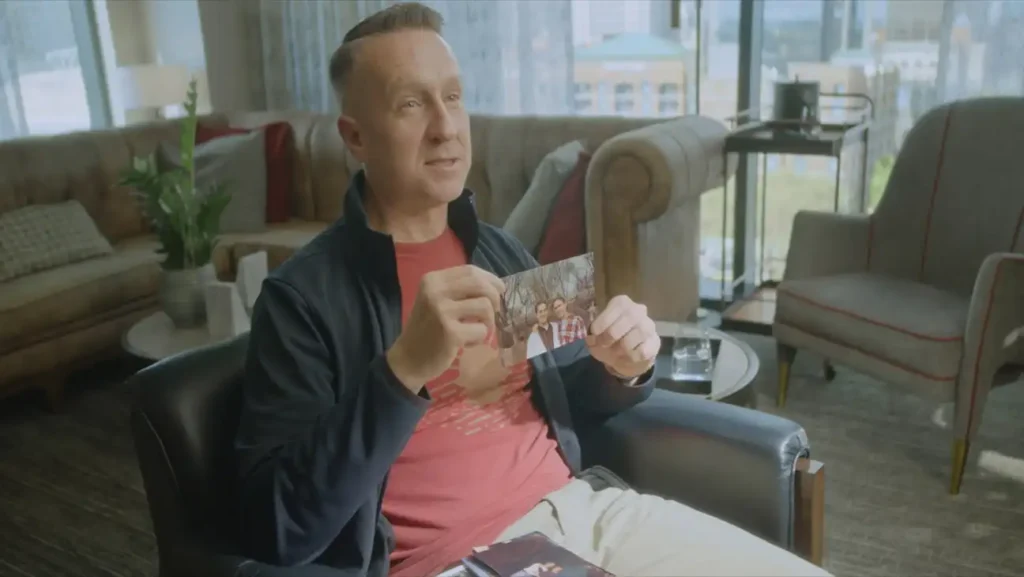
Beyond the tape, there is no dispute that both men helped bury Carroll’s body in the basement and continued with their lives for months.
For Bailey and Barbato, that fact alone raises moral questions.
Even if only one man delivered the fatal blows, they argue, what does it say that both participated in covering up the crime?
The filmmakers say they reached out repeatedly to Mundt for comment. He did not participate in the documentary.
Today, Banis remains in prison, though the film notes he may have a slim chance at appeal. Mundt has never been convicted in connection with the murder.
For Bailey and Barbato, the larger issue is not just who held the knife or fired the gun — it is how society responds when victims come from marginalized communities. Carroll was part of Louisville’s LGBTQ scene and had ties to drug culture.
The directors say such details can sometimes lead people to dismiss or downplay a victim’s life.
Produced by World of Wonder Productions, the series does not hide its sympathy for Banis. But its core message, the filmmakers insist, is about justice for Carroll.
Both episodes are now streaming on HBO Max, inviting viewers to decide for themselves: Was the confession real — or rehearsed? And did justice truly prevail in Glitterball City?
