
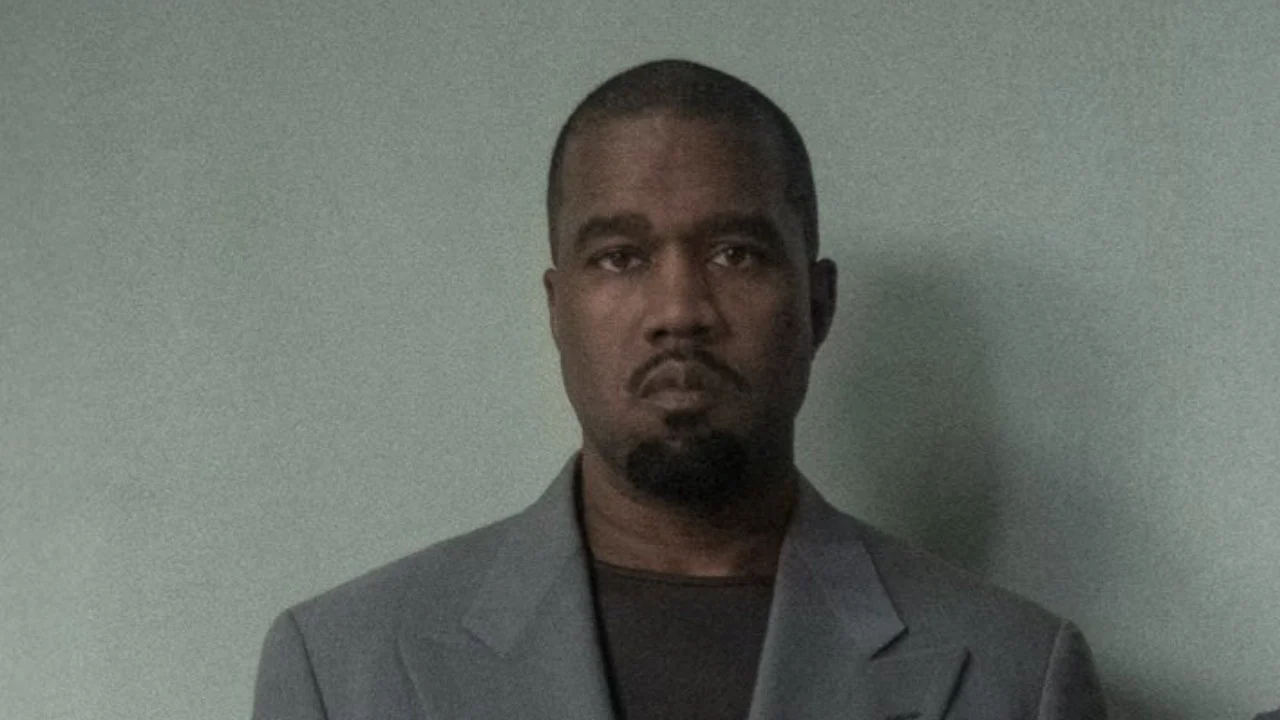
Swiss soccer club FC Basel has canceled a planned concert by Ye — the artist formerly known as Kanye West — stating that hosting the event was not in line with the organization’s core values.
FC Basel representatives told Reuters: “FCB received an enquiry and considered it. However, after thorough review, we have decided not to proceed with the project, as we cannot, in accordance with our values, provide a platform for the artist in question within this context.”
The club regularly stages concerts and live events at its St. Jakob-Park stadium.
FC Basel’s decision is not an isolated incident — it is part of a broader, accelerating pattern of institutional resistance across Europe. In Poland, Ye’s scheduled performance at Slaski Stadium in Chorzów was canceled due to what stadium director Adam Strzyzewski described as “formal and legal reasons.”
Poland’s culture minister Marta Cienkoska had already spoken out sharply against the show on X: “The decision to organize a Kanye West concert in Poland is unacceptable. We are talking about an artist who has publicly made antisemitic statements, downplayed crimes, and profited from selling swastika T-shirts. These are not ‘controversies.’ This is a deliberate crossing of boundaries and the normalization of hatred.”
Earlier this month, Ye postponed his Marseille concert after France began weighing a potential ban on his entry into the country. Posting on X, Ye wrote: “After much thought and consideration, it is my sole decision to postpone my show in Marseille, France until further notice. I don’t want to put my fans in the middle of it. My fans are everything to me.”
Separately, Ye was denied entry into the United Kingdom ahead of a scheduled headline slot at Wireless Festival, forcing that performance to be canceled as well.
The European collapse stands in sharp contrast to Ye’s domestic momentum. He performed two sold-out shows at Los Angeles’ SoFi Stadium earlier this month, drawing massive crowds without incident.
Yet across Europe — from Switzerland and Poland to France and the U.K. — governments, stadiums, and promoters are drawing a consistent ethical line. The institutional resistance has now formed an unmistakable pattern.
