
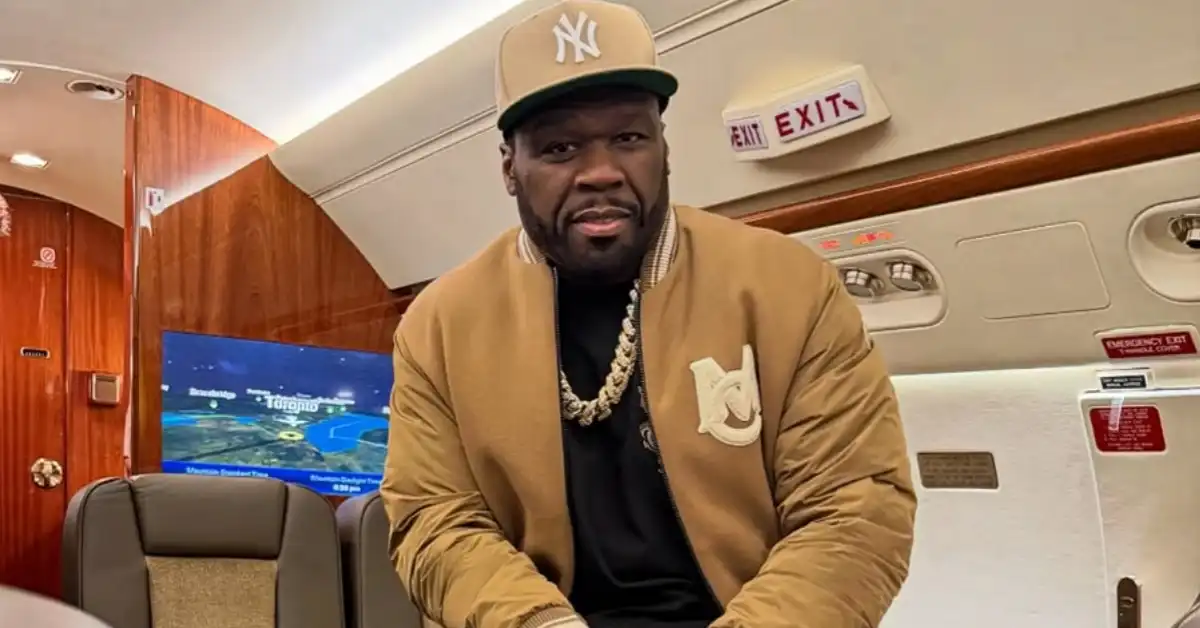
After a judge sided with Shaniqua Tompkins, 50 Cent is fighting back—appealing a key ruling in their long-running dispute over her life story.
The latest chapter in a years-long legal battle is unfolding from a different angle—this time with Shaniqua Tompkins gaining a temporary upper hand against rapper and businessman 50 Cent.
Earlier this month, a New York judge ruled in Tompkins’ favor, rejecting a $1 million default judgment sought by 50 Cent’s publishing company, G-Unit Books. The court found that Tompkins had not been properly served legal papers tied to the lawsuit, a technical detail that proved decisive.
For Tompkins, the ruling validated what she has said all along: she didn’t know the lawsuit even existed until reporters contacted her. She claims she never lived at the addresses where delivery attempts were made.
Now, 50 Cent—born Curtis Jackson—is appealing that decision, hoping to revive the case and reinstate the million-dollar claim. But from Tompkins’ perspective, the issue goes beyond missed paperwork.
It’s about how the original agreement came to be—and whether it should still hold weight.
At the center of the dispute is a 2007 deal in which Tompkins allegedly sold the rights to her life story. The agreement barred her from publicly sharing or profiting from personal details tied to her past, including her relationship with the rapper.
G-Unit Books says Tompkins was paid $80,000, plus the possibility of future royalties. Tompkins disputes that, claiming she received only $35,000—and that the deal itself was made under pressure.
In court filings, she describes a tense meeting in a Las Vegas hotel room involving 50 Cent’s late manager, Chris Lighty, and another man she believed was a bodyguard. She says she felt threatened into signing.
“I feared for my life and my children’s lives,” she claimed in her filing, describing the agreement as signed under duress.
The lawsuit accuses Tompkins of breaking that deal by posting videos in recent years discussing her past with the rapper. His legal team argues those posts directly violate the contract.
Still, the recent ruling gives Tompkins time—20 days—to formally respond, with a preliminary conference set for May 2026.
The case adds another layer to a complicated history between the former couple, who share a son and have publicly clashed for years. What happens next could determine not only the fate of a $1 million claim, but also who controls the narrative of their shared past.
