
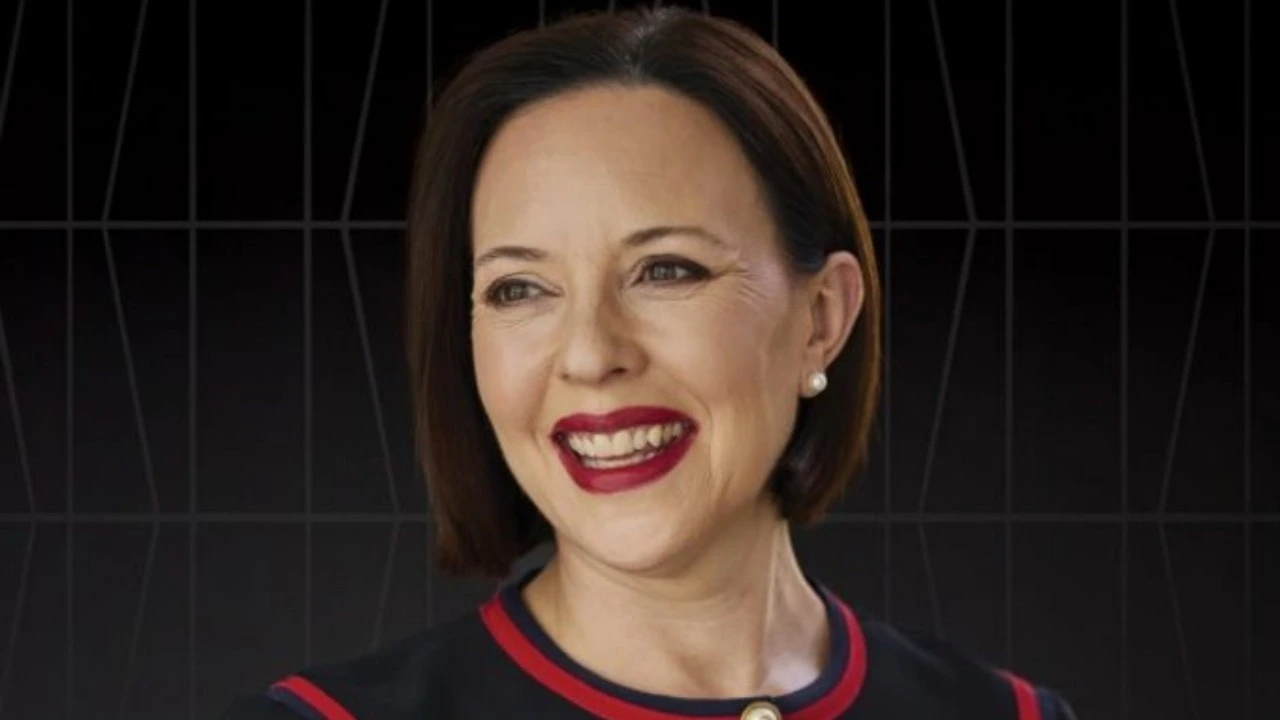
Jean Davidson resigns from the National Symphony Orchestra as political tensions and uncertainty reshape life at the Kennedy Center.
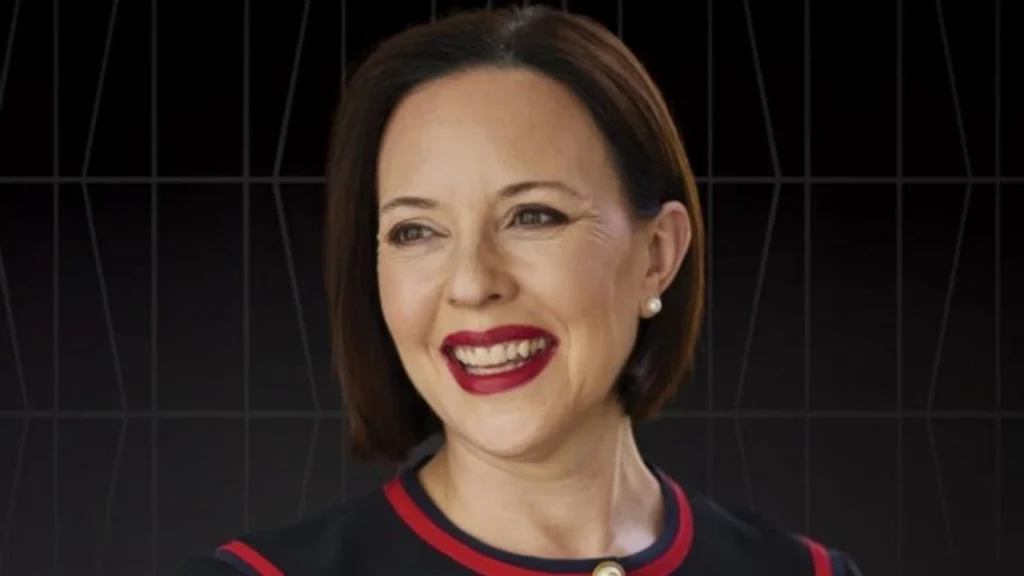
A major leadership change is unfolding at the John F. Kennedy Center for the Performing Arts as Jean Davidson, executive director of the National Symphony Orchestra (NSO), steps down to take a new role in California.
Her departure comes during a year of upheaval for the institution, reflecting the wider challenges facing the nation’s flagship performing arts center.
Davidson will become executive director and chief executive officer of the Wallis Annenberg Center for the Performing Arts in Beverly Hills starting May 4. While the new role marks a return to the Los Angeles arts scene where she previously worked, her exit from Washington also highlights the strain many arts leaders have felt during recent political and organizational changes surrounding the Kennedy Center.
In interviews, Davidson described the past year as unusually difficult. She said she had originally hoped to remain with the orchestra through its 100th anniversary in 2031.
Instead, the evolving climate around the Kennedy Center made it harder for her to see a path forward in her current role.
“It’s no secret that this has been a really hard year,” Davidson said in recent comments to reporters. Over the past several months, she began exploring other opportunities while still guiding the orchestra through a complicated period.
One of the biggest challenges has been uncertainty about the center’s future operations. According to Davidson, communication from the newly appointed board overseeing the Kennedy Center has sometimes been limited.
Important decisions have occasionally reached staff and partner organizations through media reports rather than direct briefings.
For example, she pointed to the surprise announcement that the Kennedy Center would close for an extended renovation beginning around July 4. The project, estimated at about $200 million, is expected to shut down the building for roughly two years while major improvements are made.
Officials have said the exterior of the building will remain intact even as the interior undergoes extensive upgrades.
For the National Symphony Orchestra, the renovation plan creates immediate logistical hurdles. The ensemble typically performs about 180 concerts each year, and orchestras usually plan venue changes years in advance.
Instead, the NSO now has only months to find suitable locations for performances already scheduled.
“Usually orchestras will plan for being out of their hall years in advance,” Davidson explained in interviews. “We only have months to do that.”
The organization is now searching across Washington for venues capable of hosting its concerts and maintaining the quality audiences expect.
Despite the difficulties, Davidson emphasized that the orchestra itself remains strong. Under music director Gianandrea Noseda, the ensemble has earned praise for its artistic performance and continues to attract guest musicians and conductors from around the world.
“The orchestra has never sounded as great as it sounds now,” Davidson said. She added that continued support from Washington donors and audiences will be critical as the orchestra navigates the temporary loss of its primary stage.
Her move to Los Angeles brings her back to a city where she built a strong reputation in the arts community. Before joining the NSO three years ago, Davidson served as president and CEO of the Los Angeles Master Chorale from 2015 to 2023.
During that time, she expanded touring programs, led major recording projects, and helped guide the organization through the financial and operational challenges of the pandemic.
The Wallis Annenberg Center highlighted those accomplishments when announcing her appointment. The organization noted that during her tenure with the chorale she increased contributed revenue by nearly 50 percent over four years and secured more than $2 million in federal and local support during the pandemic.
Davidson’s career also includes leadership roles with the DeVos Institute of Arts Management, the New York Live Arts, and the Silkroad Ensemble project, reflecting a long history of building and managing arts institutions.
The Wallis itself has grown into a notable cultural venue in Beverly Hills since opening in 2013. Built within and around the city’s historic 1934 post office building, the complex features theaters with roughly 500 and 150 seats.
Over the past decade it has hosted hundreds of performances across theater, dance, music, and other arts disciplines.
Davidson said she plans to begin her new role with an open mind rather than imposing immediate changes.
“Anytime you’re starting a new role, there’s a lot of learning that needs to occur,” she said. Her approach will focus on working with existing staff and artists to develop a shared vision for the future of the organization.
Back in Washington, the Kennedy Center continues to face intense debate over its direction, programming, and leadership decisions.
Yet amid the headlines and controversy, the National Symphony Orchestra still hopes to maintain its presence in the nation’s capital—relying on its musicians, supporters, and the resilience that has sustained it for more than half a century.
